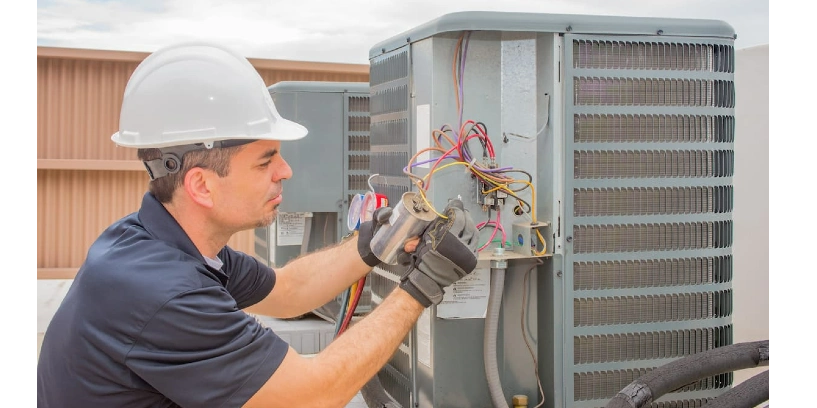
Every technician who’s ever serviced your AC has probably said the same thing on the way out: “Sir/Madam, service it every 3 months, otherwise gas will finish.” Sound familiar?
Here’s the thing — that’s not entirely accurate, and I say that after getting genuinely annoyed enough to research it properly. A sensible AC maintenance schedule depends heavily on how many hours a day you actually run the unit, not a fixed calendar number some technicians repeat because it means more service calls for them.
I’ve owned split ACs for close to eight years now, tracked servicing costs across three different units, and watched more than one technician try to upsell an unnecessary gas refill. This article breaks down what a genuinely useful maintenance schedule looks like in 2026, based on real usage patterns rather than a one-size-fits-all number.
Why the “Service Every 3 Months” Advice Is Mostly Marketing
Direct answer: ACs don’t need servicing every 3 months unless run 10+ hours daily during peak summer — a realistic AC maintenance schedule for moderate use (4-6 hours/day, seasonal) is once every 4-6 months, with a deeper service before and after peak summer.
Technicians repeat the 3-month rule partly out of habit and partly because more visits mean more revenue, plain and simple. That’s not a conspiracy theory — it’s just how service-based businesses work everywhere.
What actually determines service frequency is usage hours, not the calendar. A unit running 12 hours a day in a Delhi summer needs far more frequent attention than one used for 3 hours a night in Bengaluru’s milder climate. Has anyone in your building ever compared notes on this? I did, once, at a residents’ meeting, and the range of “recommended” service intervals people had been quoted was honestly comical.
Building Your AC Maintenance Schedule Based on Actual Usage
Rather than following a blanket rule, match your servicing frequency to how hard your AC actually works:
- Light use (2-4 hours/day, only in peak summer months): Service once a year, ideally just before summer starts
- Moderate use (4-8 hours/day, most of the year in warmer cities): Service every 4-6 months
- Heavy use (8+ hours/day, or running through most seasons): Service every 3 months, closer to what technicians generally recommend
Picture a small business owner in Jaipur running a shop AC for 10-12 hours daily through summer — that setup genuinely does need the frequent servicing schedule, because dust accumulation and filter clogging happen fast under that kind of continuous load.
What Actually Needs to Happen During a Proper AC Service
Direct answer: A proper AC service includes cleaning the indoor unit filter and coil, checking the outdoor condenser for dust buildup, verifying gas pressure (not automatically refilling it), and inspecting drainage — a full gas refill should only happen if there’s a confirmed leak, not as routine practice.
This is where a lot of unnecessary spending happens. Gas doesn’t “run out” through normal use in a properly sealed system — it only drops if there’s a leak somewhere. A technician who refills gas every single visit without checking for a leak first is either not doing their job properly or padding the bill.
What a genuinely thorough service should cover:
- Indoor unit filter cleaning (should happen more often than a full service, honestly)
- Coil cleaning, both indoor and outdoor units
- Drainage pipe check for blockages
- Gas pressure check using a gauge, not just a guess
- Electrical connection and capacitor check
Filter Cleaning: More Frequent Than Full Servicing
Here’s something most people don’t realize — filter cleaning and full servicing are two different things, and filters need attention way more often. A clogged filter reduces cooling efficiency and pushes your electricity bill up noticeably.
I clean my own filters every 2-3 weeks during peak summer use, and it takes maybe ten minutes total. Just slide it out, rinse with water, let it dry fully before putting it back (this last part matters — a damp filter breeds mould).
You don’t need a technician for this part at all. It’s genuinely one of the easiest DIY maintenance tasks in the whole house.
Signs Your AC Needs Servicing Before the Scheduled Date
Sometimes your unit tells you it needs attention regardless of what the calendar says. Watch for:
- Reduced cooling despite the temperature setting staying the same
- Unusual noise from the indoor or outdoor unit — rattling, grinding, anything new
- Water dripping or leaking from the indoor unit (usually a blocked drain pipe)
- A musty or mouldy smell when the AC first switches on
- Ice formation on the outdoor unit’s pipes, which usually points to low gas or airflow issues
If you notice any of these, don’t wait for your “scheduled” service date. Small issues caught early cost far less to fix than the same problem left running for another two months.
Cost of AC Servicing in India: What’s Reasonable to Pay
Rates vary by city and technician, but here’s a rough sense of fair pricing in 2026:
| Service Type | Approx Cost |
| Basic filter and coil cleaning | ₹400-700 per unit |
| Full service (coil, drainage, electrical check) | ₹600-1,200 per unit |
| Gas refill (only if leak confirmed) | ₹1,500-3,000 depending on gas type |
| Annual maintenance contract (AMC) | ₹2,500-5,000/year for 2-3 services |
An AMC can genuinely be worth it if you own 2-3 units and want predictable costs rather than negotiating each time. For a single unit, I’ve noticed pay-per-service usually works out cheaper unless you’re in the heavy-use category.
Split AC vs Window AC: Does Maintenance Frequency Differ?
Window ACs, being a single sealed unit, tend to accumulate dust faster in the filter and coil area since everything’s packed closer together. They generally benefit from slightly more frequent filter cleaning — every 2 weeks during heavy use versus 3-4 weeks for split units.
Split ACs have separated indoor and outdoor components, which means better airflow around the coil generally, but the outdoor unit is more exposed to dust, pollen, and in coastal areas, salt air — which can affect the condenser coil over time.
[link to related guide on budget smart home upgrades here] if you’re considering a smart AC controller alongside your regular maintenance routine.
FAQ: Common Questions About AC Maintenance Schedule
Is it true that AC gas needs refilling every year? No, this is one of the most common misconceptions. Gas only depletes if there’s a leak in the system — a properly sealed AC shouldn’t need gas refills at all unless something’s actually wrong.
Can I service my own AC to save money? Filter cleaning, yes, easily. Coil cleaning and gas pressure checks need proper tools and some know-how, so it’s worth paying a technician for those parts specifically.
How much does it cost to service an AC in India in 2026? A basic service typically runs ₹400-1,200 depending on the depth of cleaning and your city. Gas refills, if genuinely needed, add another ₹1,500-3,000 on top.
Does not servicing my AC regularly actually increase my electricity bill? Yes, noticeably. A dirty filter and coil force the compressor to work harder for the same cooling output, which can increase power consumption by 10-15% or more.
Should I get an AMC (annual maintenance contract) for my AC? Worth it if you own multiple units or want predictable, scheduled service without negotiating each time. For a single lightly-used unit, per-visit servicing is often cheaper overall.
How do I know if my technician is trying to oversell me on gas refills? Ask them to show you the actual gas pressure reading using a gauge before agreeing to a refill. A pressure genuinely low enough to need a refill also usually comes with a visible or audible leak somewhere in the system.
Final Thoughts
A sensible AC maintenance schedule isn’t about following whatever number the last technician quoted you — it’s about matching servicing frequency to actual usage hours and paying attention to what your unit is telling you in between.
Clean your own filters every few weeks during peak season, book a proper service based on your usage category from this guide, and always ask for the gas pressure reading before agreeing to any refill. Your electricity bill — and your wallet, come service time — will both notice the difference.