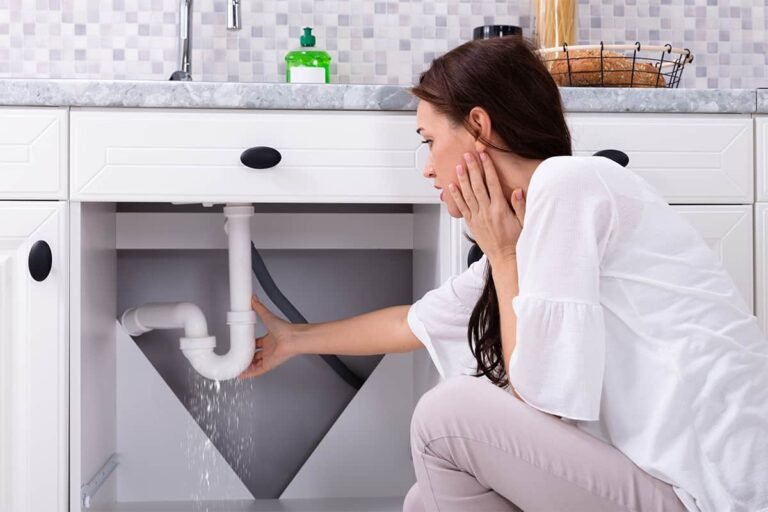
That faint dripping sound under the kitchen sink you’ve been meaning to check for three weeks now? Yeah, that’s exactly how most water damage stories start.
Most plumbing mistakes to avoid aren’t dramatic pipe bursts — they’re small, ignorable things that quietly compound over weeks or months until suddenly there’s a damp patch on the ceiling below, or worse. I’ve dealt with two proper water damage situations in my own homes over the years, and both times, looking back, there were warning signs I’d noticed and just… didn’t act on.
This isn’t a generic “call a plumber” article. It’s the specific habits and oversights that cause the most damage in Indian homes, and what to actually do differently in 2026, before your next small leak becomes a big repair bill.
Why Small Plumbing Issues Escalate So Fast in Indian Homes
Direct answer: Indian apartment plumbing often runs through shared walls and concealed piping, meaning a small leak doesn’t just damage the room it’s in — it seeps into neighbouring units or the floor below, turning a minor fix into a shared, expensive dispute between residents.
This is genuinely different from independent houses in a lot of Western contexts, where a leak mostly stays contained to your own space. In Indian apartment buildings, concealed plumbing running through shared walls means water travels sideways and downward in ways you don’t see until the damage shows up somewhere else entirely.
I’ve noticed building societies deal with this exact scenario constantly — a leak in one flat’s bathroom shows up as a ceiling stain in the flat below, and then it becomes a whole conversation about whose responsibility the repair actually is.
1. Ignoring Slow Drips Because “It’s Just a Little Water”
Direct answer: A slow drip that seems negligible can waste over 3,000 litres of water a month and, more importantly, create constant moisture exposure that weakens pipe joints, seals, and surrounding materials over time — one of the most common plumbing mistakes to avoid is dismissing small leaks as harmless.
The math on this genuinely surprises people. A drip every few seconds adds up to real water loss over a month, and that’s before considering what constant moisture does to whatever it’s dripping onto — cabinet wood, flooring, wall plaster.
Has this ever happened to you — a drip you’ve been ignoring for weeks turns out to have swelled the cabinet base underneath by the time you finally look properly? It’s more common than people admit, mostly because nobody wants to deal with it until it’s unavoidable.
2. Using the Wrong Sealant or Skipping It Entirely on Joint Connections
Pipe joints need proper Teflon tape or thread sealant, and this is exactly where a lot of DIY plumbing attempts go wrong. Skipping it, or using an old, dried-out roll, means the joint looks connected but isn’t properly sealed against pressure.
- Always use fresh Teflon tape, wrapped in the correct direction matching the thread
- Don’t over-tighten fittings assuming it compensates for a poor seal — this often cracks the fitting instead
- Check joint connections a day after any repair, not just immediately after, since some leaks only show up under sustained water pressure
3. Pouring Grease and Oil Down Kitchen Drains
This one’s almost universal across Indian kitchens, and it causes slow, creeping blockages that eventually show up as backed-up sinks or, worse, pipe damage from the buildup pressure.
Grease seems liquid when hot, but solidifies as it cools inside the pipe, gradually narrowing the passage over weeks and months. Combined with food particles, this becomes a genuinely stubborn clog that often needs professional clearing rather than a simple plunger fix.
Picture a small business owner in Jaipur running a home kitchen tiffin service, pouring cooking oil down the sink daily without thinking twice — within a few months, the drain was backing up regularly, and the eventual professional clearing cost far more than simply collecting the oil separately would have.
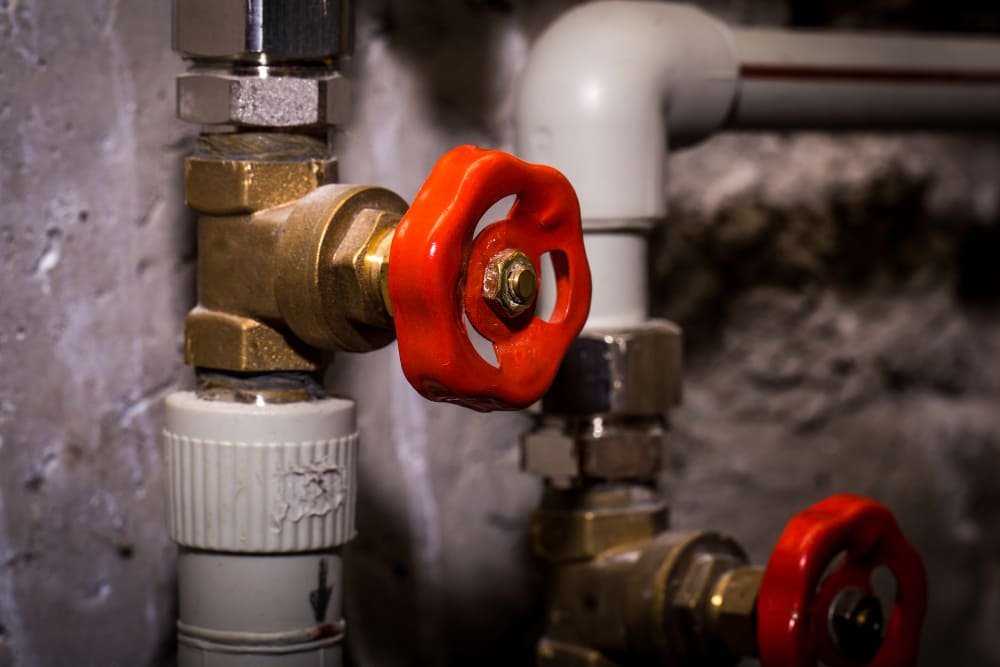
4. Not Knowing Where Your Main Water Shut-Off Valve Is
Direct answer: Every household should know the exact location of their main water shut-off valve, since the ability to stop water flow immediately during a burst pipe or major leak is often the difference between minor water damage and a genuinely destructive flood inside the home.
This sounds basic, but I’d bet most people reading this don’t actually know where theirs is. I didn’t, for years, until a burst flexible hose under my washing machine turned my utility area into a small lake within minutes, and I spent a panicked ten minutes hunting for the shut-off while water kept spreading.
Find yours now, not during an emergency. Label it clearly if needed, and make sure every adult in the household knows how to turn it off.
5. Overlooking Flexible Hose Connections on Appliances
Washing machines, dishwashers, and RO purifiers typically connect via flexible rubber or braided hoses, and these degrade over years without any obvious visible warning until they suddenly fail.
- Check flexible hoses for any bulging, cracking, or discolouration every 6 months
- Replace hoses proactively every 3-5 years regardless of visible condition, since internal deterioration doesn’t always show externally
- Braided stainless steel hoses (₹300-800) last longer and burst less often than basic rubber ones
6. Ignoring Bathroom Waterproofing Until There’s Visible Seepage
By the time seepage becomes visible on a ceiling or wall, the actual water damage underneath has usually been developing for months already. Waiting for visible signs before addressing bathroom waterproofing is one of the costliest plumbing mistakes to avoid, precisely because the damage compounds silently.
[link to related guide on low budget bathroom renovation here] covers ways to address this without a full renovation budget, including targeted regrouting and sealant fixes that catch problems before they become structural.
7. DIY Plumbing Attempts Beyond Your Actual Skill Level
There’s a real difference between reasonable DIY fixes — tightening a loose connection, replacing a washer, unclogging a simple drain — and attempts that genuinely need professional expertise. Getting this wrong often makes the original problem worse.
- Fixing a running toilet flush valve: reasonable DIY, low risk
- Replacing a tap washer: reasonable DIY for most people
- Rerouting pipe lines or fixing wall-concealed leaks: needs a professional
- Water heater/geyser plumbing: needs a professional, given the electrical proximity risk
I’ve made this mistake myself, attempting to fix a wall-concealed leak with a patch kit meant for surface pipes. Made it worse, and ended up paying for both the original leak repair and the wall damage my attempt caused.
Cost Comparison: Prevention vs Water Damage Repair
Here’s roughly what the difference looks like in real numbers, based on typical Indian repair costs in 2026:
| Issue | Prevention Cost | Repair Cost If Ignored |
| Slow tap drip | ₹100-300 (new washer) | ₹2,000-5,000 (cabinet/flooring damage) |
| Degraded flexible hose | ₹300-800 (replacement) | ₹15,000-40,000 (flood damage cleanup) |
| Minor bathroom seepage | ₹5,000-10,000 (targeted waterproofing) | ₹40,000+ (ceiling, plaster, repainting) |
| Grease-blocked drain | Free (proper disposal habit) | ₹1,500-4,000 (professional drain clearing) |
FAQ: Common Questions About Plumbing Mistakes to Avoid
How often should I check for hidden plumbing leaks in my home? A proper walkthrough every 2-3 months, checking under sinks, around the water heater, and near washing machine connections, catches most issues before they escalate significantly.
Is it normal for a small amount of water to collect under the kitchen sink? No, this usually indicates a leak somewhere in the connection or drain pipe and shouldn’t be dismissed as normal condensation unless you’ve confirmed that’s actually what it is.
Can I use regular tape instead of Teflon tape for pipe joints? No, regular tape doesn’t create a proper seal against water pressure and will fail relatively quickly. Teflon tape (plumber’s tape) is inexpensive and specifically designed for this purpose.
How do I know if my flexible appliance hoses need replacing? Check for any bulging, cracking, or discolouration, and replace proactively every 3-5 years regardless of visible condition, since internal wear isn’t always externally obvious.
What should I do immediately if I discover a burst pipe? Shut off the main water valve first, before anything else, then address the burst pipe itself. Trying to fix or assess the damage before stopping the water flow just makes the flooding worse.
Is it worth getting a professional plumbing inspection even if nothing seems wrong currently? For homes over 10-15 years old, yes, an occasional inspection (₹500-1,000) can catch aging pipes or joint wear before any visible symptoms appear, potentially saving a much larger repair bill later.
Final Thoughts
Most serious water damage in Indian homes traces back to one of these plumbing mistakes left unaddressed for too long — a small drip, an aging hose, seepage nobody investigated properly. None of these are dramatic on their own, which is exactly why they get ignored until they’re not ignorable anymore.
Do a proper plumbing walkthrough of your home this weekend — check under every sink, behind the washing machine, and around the water heater. If you find even one small issue from this list, fix it now rather than adding it to a list of things to deal with “eventually.”