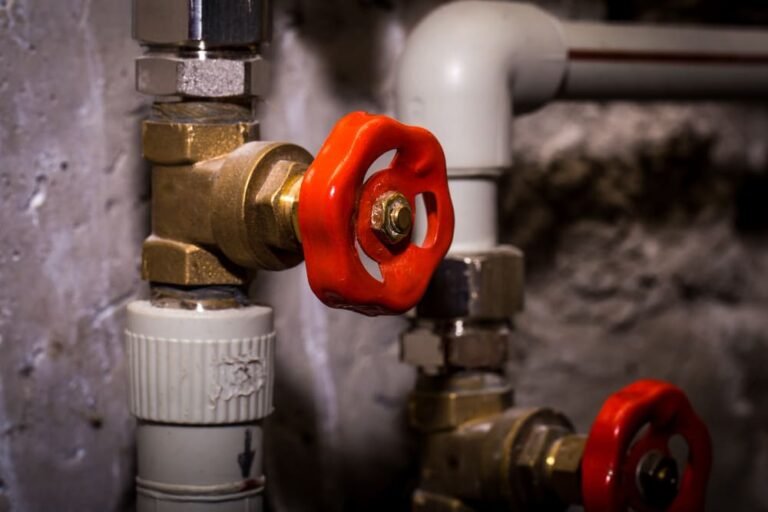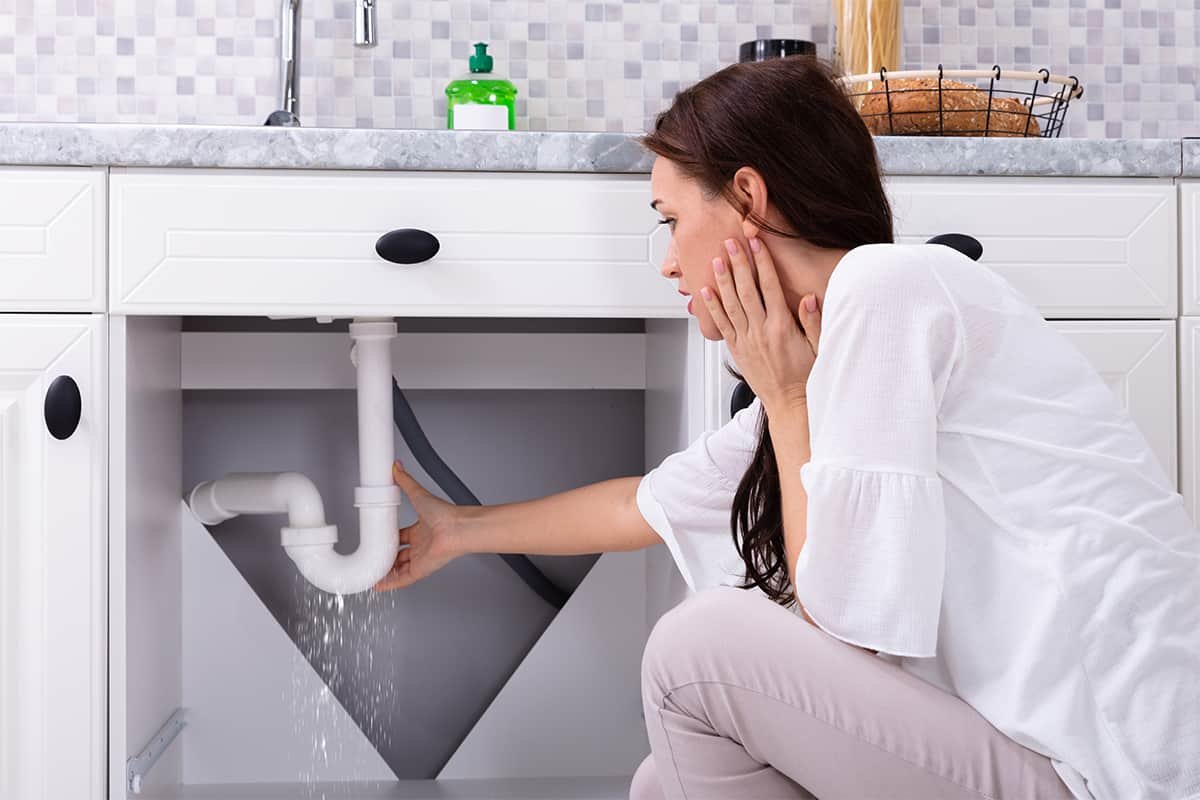
Standing in front of a dripping tap with a YouTube tutorial open on your phone, wondering if this is a “10-minute fix” situation or a “you’re about to make this so much worse” situation — most homeowners have been exactly there.
The truth about DIY plumbing repair is that it genuinely saves money on some jobs and genuinely costs more on others, and the line between the two isn’t always obvious until you’re already halfway into the repair with parts scattered across the bathroom floor. I’ve done both — saved a fair bit on a few tap replacements, and once turned a ₹200 problem into a ₹3,000 one by attempting something I really shouldn’t have.
This guide breaks down the real cost comparison, job by job, so you know which plumbing tasks are worth attempting yourself in 2026 and which ones genuinely need a professional.
Why the DIY vs Professional Decision Isn’t Just About Cost
Direct answer: Choosing between DIY plumbing repair and calling a professional depends on three factors beyond just labour cost — the risk of making the problem worse, whether the job involves hidden or concealed plumbing, and how much your own time and frustration are actually worth.
Most people frame this purely as “plumber charges ₹500, so doing it myself saves ₹500.” That math only works if the DIY attempt actually succeeds cleanly. Factor in a failed attempt, and suddenly you’re paying for the original professional visit anyway, plus whatever damage the attempt caused, plus your own wasted time and irritation.
I’ve noticed the jobs that go wrong most often for DIY attempters aren’t the hard ones — they’re the ones that look deceptively simple but have a hidden complication, like a pipe joint that seems accessible but sits at an awkward angle behind a wall panel.
Jobs Worth Doing Yourself: Low Risk, Real Savings
Direct answer: DIY plumbing repair makes financial sense for simple, visible, low-risk jobs — replacing a tap washer, unclogging a surface drain, or fixing a running toilet flush — where the parts cost ₹50-300 and the total savings versus a plumber visit typically run ₹300-600.
These are jobs where even a partial failure doesn’t cause real damage, just wasted time, and the parts involved are cheap enough that a mistake doesn’t hurt much.
- Replacing a tap washer: ₹30-80 for the part, saves roughly ₹300-500 in labour versus calling someone out for what’s genuinely a 10-minute fix
- Fixing a running toilet flush valve: ₹150-400 for a replacement flush valve kit, saves ₹300-600 in a typical service call
- Unclogging a surface drain: A plunger or basic drain snake (₹100-300) handles most simple clogs without any professional visit needed at all
- Replacing a showerhead or basin tap: Straightforward if the existing connection isn’t corroded; parts run ₹500-2,500 depending on quality
Jobs That Look DIY-Friendly But Usually Aren’t
This is where I’d genuinely push back against a lot of generic DIY advice floating around online. Some tasks look simple in a five-minute video but involve enough real-world variables that attempting them without experience often backfires.
Picture a small business owner in Jaipur trying to fix a leaking pipe joint under a commercial kitchen sink over a weekend, based on a tutorial video, to avoid closing for a plumber visit. The patch held for about four days, then failed at 2 AM, flooding the kitchen floor and damaging stored inventory — a repair that would’ve cost ₹500 with a professional turned into several thousand rupees in cleanup and lost stock.
Jobs in this risky-but-tempting category:
- Sealing pipe joints that have already failed once (usually indicates a deeper issue than a simple reseal fixes)
- Any repair involving cutting into an existing pipe
- Water heater or geyser-related plumbing, given the electrical proximity
Jobs That Should Always Go to a Professional
Direct answer: Certain plumbing jobs should never be attempted as DIY plumbing repair regardless of confidence level — concealed pipe repairs, main line issues, sewage line problems, and anything involving gas geysers — because the risk of property damage, health hazards, or safety issues far outweighs any labour cost saved.
These aren’t judgment calls. They’re jobs where the potential downside is serious enough that the labour cost saving genuinely isn’t worth the risk.
- Concealed or wall-embedded pipe repairs — accessing these properly often needs breaking into walls or tiles, and doing this incorrectly causes structural and cosmetic damage beyond the original plumbing issue
- Main water line problems — affects the whole house’s water supply, and a failed DIY attempt can leave you without water for days while waiting for professional help anyway
- Sewage or drainage line blockages beyond a simple surface clog — these often need proper equipment (drain rodding machines, cameras for inspection) that DIY tools simply can’t handle
- Gas geyser plumbing connections — combines water and gas safety risks, genuinely not a DIY zone under any circumstances
Real Cost Comparison Table: DIY vs Professional
Here’s how the numbers actually break down for common household plumbing issues in India, based on 2026 rates:
| Job | DIY Cost | Professional Cost | Worth DIY? |
| Tap washer replacement | ₹30-80 | ₹300-500 | Yes |
| Running toilet flush fix | ₹150-400 | ₹400-700 | Yes |
| Surface drain unclog | ₹100-300 | ₹300-600 | Yes |
| Showerhead/tap replacement | ₹500-2,500 | ₹300-500 (labour only) | Usually yes |
| Pipe joint reseal (first attempt) | ₹100-300 | ₹300-600 | Depends on location |
| Concealed pipe repair | Not recommended | ₹1,500-5,000+ | No |
| Sewage line blockage | Not recommended | ₹1,000-3,000 | No |
| Water heater plumbing | Not recommended | ₹500-1,500 | No |
How to Tell If a Job Has Gotten Beyond Your Skill Level Mid-Repair
Has this ever happened to you — you start a repair confidently, and twenty minutes in, realize you’re genuinely not sure what you’re looking at anymore? That’s exactly the moment to stop, not push through.
A few honest signals it’s time to call someone:
- You’ve had to loosen or remove more parts than the tutorial video showed
- Water pressure or flow seems different after your attempt, even if there’s no visible leak yet
- You’re using tools or force that feels excessive for what should be a simple fix
- The problem you’re now looking at wasn’t the original problem you started with
Stopping at this point and calling a plumber, even mid-repair, almost always costs less than continuing and potentially making things worse.
Building a Basic DIY Plumbing Toolkit
For the low-risk jobs worth attempting yourself, a basic toolkit costs surprisingly little and pays for itself within one or two repairs:
- Adjustable wrench and pipe wrench: ₹300-600 combined
- Teflon tape (plumber’s tape): ₹30-60 per roll
- Basic plunger: ₹150-300
- Drain snake/auger, manual: ₹300-600
- Assorted washers and O-rings kit: ₹100-200
Total investment lands around ₹1,000-1,800, which typically pays for itself after just two or three small DIY jobs that would otherwise need a service call.
[link to related guide on common plumbing mistakes that cause water damage here] for what tends to go wrong when DIY attempts overreach.
FAQ: Common Questions About DIY Plumbing Repair
Is DIY plumbing repair actually cheaper in the long run? For simple jobs, yes, consistently. For anything involving concealed pipes or main lines, DIY attempts that fail often end up costing significantly more than calling a professional from the start.
What tools do I need to start basic DIY plumbing repairs at home? An adjustable wrench, Teflon tape, a plunger, and a basic drain snake cover most of the low-risk jobs worth attempting yourself, for a total investment under ₹2,000.
How do I know if a leak is a simple DIY fix or needs a professional? If the leak is visible, accessible without breaking into a wall, and involves a standard fitting (tap, showerhead, toilet valve), it’s usually DIY-friendly. Anything requiring you to access hidden pipework needs a professional.
Can attempting a DIY plumbing repair void my home insurance in case of later damage? This depends on your specific policy, but some insurers do scrutinize claims more closely if a failed DIY attempt contributed to the damage. Worth checking your policy terms if you’re planning anything beyond basic fixes.
Is it worth learning basic plumbing skills, or should I always just call a plumber? Learning the basics (washer replacement, simple unclogging, tap installation) genuinely saves money over time and isn’t difficult to pick up. Beyond that skill level, the risk-to-savings ratio shifts firmly toward calling a professional.
How much does an average plumber visit cost in India for a simple job? Most simple plumbing visits run ₹300-600 for labour alone in most Indian cities, though this varies based on your city and whether it’s an emergency or scheduled visit.
Final Thoughts
The real answer to DIY versus professional plumbing isn’t one-size-fits-all — it genuinely depends on the specific job, not a blanket rule either way. Simple, visible, low-stakes repairs are worth attempting yourself and genuinely save money. Anything involving concealed pipework, main lines, or gas connections should go to a professional every time, no exceptions.
Next time you’re facing a plumbing issue, run it against the table above before reaching for your toolkit or your phone. Getting that call right, more than any specific repair skill, is what actually keeps your plumbing costs down over the years.