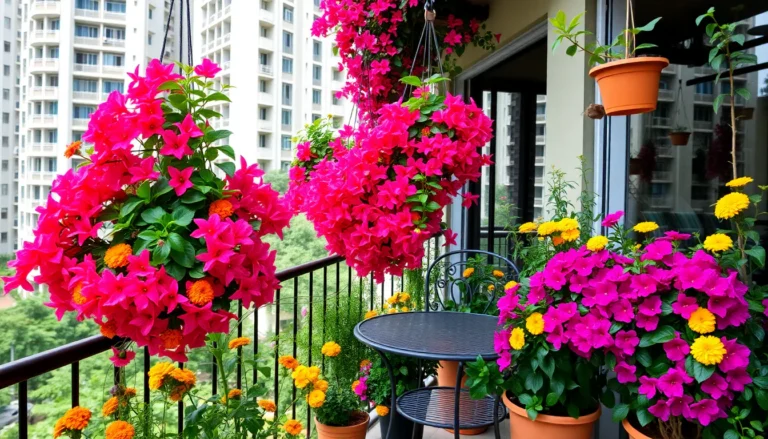
Delhi’s air quality index crosses “hazardous” territory most winters, and somewhere along the way, everyone started buying money plants and snake plants like they’d single-handedly fix the problem. Has this ever happened to you — buying a plant specifically because someone said it “purifies air,” without really knowing how much truth is behind that?
I want to be upfront here: air purifying indoor plants genuinely do filter some pollutants, but the effect in a real, ventilated Indian home is nowhere near what a lot of viral posts suggest. That NASA study everyone cites was done in sealed lab chambers, not actual living rooms with doors opening and closing all day.
That said, these plants aren’t useless either. This guide covers what they actually do, which ones are worth having in an Indian home in 2026, and where the marketing genuinely oversells the science.
What “Air Purifying” Actually Means for Indoor Plants
Direct answer: Air purifying indoor plants absorb certain airborne pollutants (like formaldehyde and benzene) through their leaves in controlled lab conditions, but in a real, naturally ventilated home, the effect on overall air quality is modest — genuinely helpful as one small factor, not a substitute for proper ventilation or an air purifier.
I’ve noticed a lot of confusion stems from that one widely cited NASA Clean Air Study from decades ago, which tested plants in small, completely sealed chambers. Real homes aren’t sealed chambers — air moves, doors open, and the pollutant concentration a single plant can meaningfully affect is a fraction of what a whole room actually contains.
None of this means skip the plants. It means set expectations properly — think of them as a small, genuine contribution alongside proper ventilation and, if pollution levels are high in your city, an actual air purifier. Not a replacement for either.
1. Snake Plant (Sansevieria): The Most Overrated Yet Genuinely Useful Pick
Snake plant gets recommended constantly, sometimes for reasons that don’t fully hold up (the “releases oxygen at night” claim gets exaggerated a lot online). What’s actually true: it’s remarkably hardy, tolerates low light and irregular watering, and does process some air pollutants reasonably well according to available research.
- Thrives in both bright and low-light conditions, making it flexible for most Indian apartment layouts
- Needs watering only every 2-3 weeks, genuinely low-maintenance
- Cost: ₹150-400 depending on pot size and variety
I keep three of these around my apartment, mostly because they survive my inconsistent watering schedule, not because I’m banking on measurable air quality improvement from them alone.
2. Areca Palm: Good for Humidity, Decent Air Benefit Too
Direct answer: Areca palm is particularly effective at adding natural humidity to a room through transpiration, which helps in Indian homes running AC constantly through summer, while also processing some airborne toxins as a secondary benefit.
This is genuinely one of the better all-around picks if you want a plant that does more than just sit there looking green. It needs slightly more attention than snake plant — regular watering, bright indirect light — but the humidity benefit alone makes it worth the extra care in an AC-heavy household.
Picture a small business owner in Jaipur running an office with the AC on for 8-10 hours daily — an areca palm near the entrance genuinely helped with the dry, stale air feeling that constant AC use tends to create, based on what she told me when I asked about her setup.
3. Money Plant (Pothos): Popular for Good Reason, Even If Overhyped Slightly
Money plant might be the single most common houseplant in Indian homes, and the reasons are mostly practical rather than about air purification specifically — it’s nearly impossible to kill, grows in water or soil, and tolerates almost any light condition.
The air-purifying claims for pothos are genuine but modest, similar to most plants on this list. What it’s actually great at is filling space quickly and cheaply, and honestly, that visual greenery effect on mood and a room’s feel shouldn’t be underestimated even separate from air quality claims.
- Cost: ₹50-150, among the cheapest options available
- Can be trained to climb or trail, useful for small apartments wanting vertical greenery
- Propagates easily from cuttings, so one plant can become several over time
4. Peace Lily: Beautiful, But Needs More Attention Than People Expect
Direct answer: Peace lily ranks among the higher air-purifying performers in lab studies, but it needs more consistent watering and indirect light than snake plant or pothos, making it a better fit for households willing to give slightly more regular care.
I’ll be honest, I’ve killed two peace lilies through simple neglect before switching entirely to hardier options. If you’re the type who forgets watering schedules regularly, this might not be your best first pick despite how often it appears on “best air purifying plants” lists.
For households that do keep a consistent watering routine, though, peace lily rewards the effort with genuinely attractive white blooms and a plant that visibly droops when it needs water, making neglect harder to accidentally sustain for too long.
5. Aloe Vera: Practical Beyond Just Air Quality
Aloe vera earns its spot here less for dramatic air-purifying claims and more because it’s genuinely useful to have around — the gel works for minor burns and skin irritation, and the plant itself tolerates neglect about as well as succulents generally do.
- Needs bright light, ideally a few hours of direct sun
- Watering only when soil is completely dry, roughly every 2-3 weeks
- Cost: ₹100-250, widely available at most nurseries
[link to related guide on natural home cleaning tips for pets and kids here] if you’re building out a broader natural, low-chemical approach to your home.
Plants to Be Cautious About If You Have Pets
Not every commonly recommended plant is safe around curious cats and dogs, and this matters enough to flag clearly. Some popular “air purifying” plants are actually toxic to pets if chewed or ingested.
- Peace lily and money plant/pothos are both mildly to moderately toxic to cats and dogs if ingested
- Aloe vera, despite its skin benefits for humans, is also toxic to pets in significant quantities
- Snake plant is mildly toxic as well, though generally causes only mild stomach upset rather than serious harm
If you have pets that chew on plants, consider placing these on high shelves or hanging planters out of reach, or research pet-safe alternatives like areca palm and spider plant, which are generally considered non-toxic.
Realistic Expectations: Plants Alone Won’t Fix Indoor Air Quality
Direct answer: For genuinely poor air quality — high pollution days, homes near busy roads, or households with allergy concerns — an air purifier with a proper HEPA filter makes a measurably larger difference than any number of indoor plants, which work best as a complementary addition rather than a primary solution.
I don’t want to overstate what plants can do, especially for readers dealing with genuinely serious air quality concerns, like those in Delhi-NCR during peak pollution season. A dozen snake plants in your living room won’t meaningfully offset a hazardous AQI day the way a proper air purifier will.
Think of indoor plants as one part of a broader approach — proper ventilation when air quality outside is decent, an air purifier for genuinely bad days, and plants as a smaller, genuine but modest contribution alongside both.
Best Air Purifying Indoor Plants: Quick Comparison
| Plant | Maintenance Level | Pet Safety | Approx Cost |
| Snake plant | Very low | Mildly toxic | ₹150-400 |
| Areca palm | Moderate | Non-toxic | ₹500-1,500 |
| Money plant/pothos | Very low | Mildly toxic | ₹50-150 |
| Peace lily | Moderate-high | Toxic | ₹200-500 |
| Aloe vera | Low | Toxic | ₹100-250 |
| Spider plant | Low | Non-toxic | ₹100-300 |
FAQ: Common Questions About Air Purifying Indoor Plants
Do air purifying plants actually make a measurable difference in Indian homes? A modest one, yes, but nowhere near what the popular NASA study claims suggest when applied to a real, ventilated home rather than a sealed lab chamber. They’re a genuine but small contribution, not a replacement for ventilation or an air purifier.
How many plants would I need for a noticeable air quality effect? Realistically, far more than most apartments could comfortably hold — some estimates suggest dozens of plants per room for lab-study-level effects, which isn’t practical for most homes.
Which air purifying plant is safest if I have cats or dogs? Areca palm and spider plant are generally considered non-toxic and safe options if pets tend to nibble on greenery around the house.
Do these plants help specifically with Delhi’s or other Indian cities’ pollution levels? Not meaningfully on their own during genuinely poor air quality days. A proper HEPA air purifier makes a measurably bigger difference for actual pollution concerns; plants work better as a complementary, everyday addition.
Which air purifying plant is easiest to keep alive for a complete beginner? Snake plant and money plant, without much competition. Both tolerate irregular watering, various light conditions, and general neglect better than almost anything else on this list.
Can these plants help with indoor odours as well as air pollutants? To some degree, yes, particularly plants with dense foliage in enclosed spaces like bathrooms. The effect is similarly modest compared to proper ventilation or odour-specific solutions, though.
Final Thoughts
Air purifying indoor plants are worth having, but worth having with realistic expectations rather than the inflated claims a lot of social media content pushes. Snake plant, money plant, and areca palm cover most Indian households well — easy to maintain, genuinely pleasant to have around, and a small but real contribution to indoor air.
For actual air quality concerns, especially in cities with serious pollution problems, pair a few of these plants with proper ventilation habits and, if needed, a real air purifier. Start with two or three low-maintenance options from this list, and let the greenery be a nice bonus rather than the whole solution.