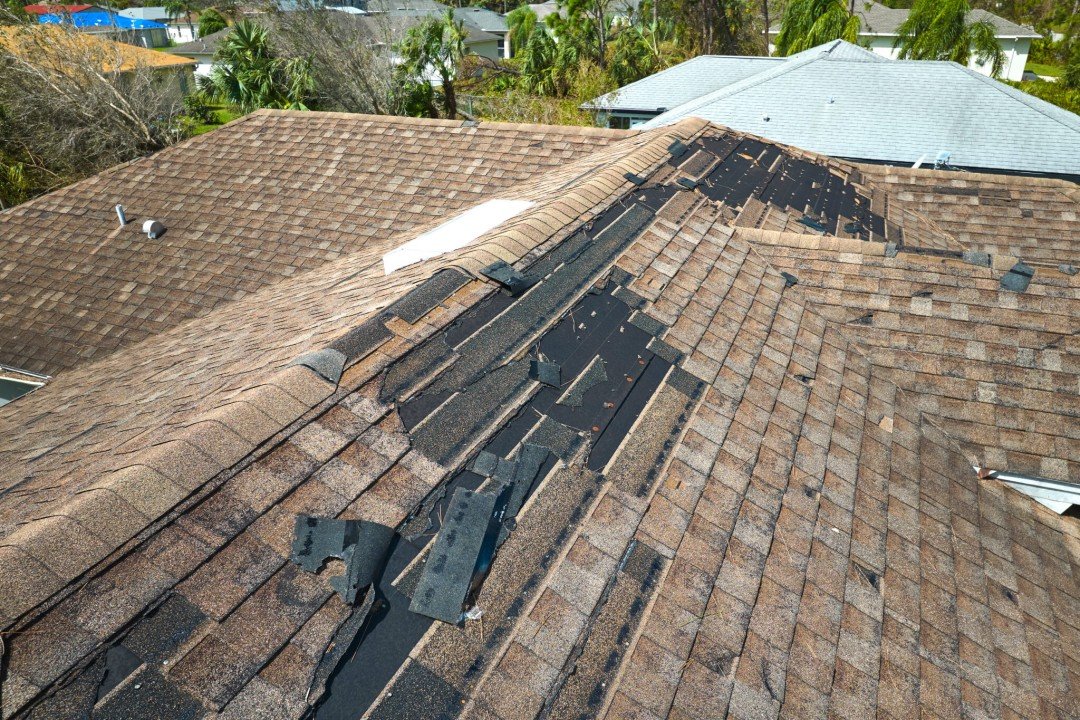
That faint water stain on the ceiling corner you noticed last October and figured “it’s probably nothing” — has it grown even slightly since then? That’s usually the first clue most people miss.
Catching roof repair signs early, weeks or even months before monsoon actually arrives, is the difference between a manageable ₹10,000 fix and a full ceiling collapse repair running into lakhs. I own a top-floor flat, so roof issues aren’t theoretical for me — I’ve dealt with two separate waterproofing failures over the years, and both times, looking back honestly, there were warning signs I noticed and just filed away as “check later.”
This guide walks through what actually indicates roof trouble in 2026, specifically for Indian flat roofs and terrace conditions, not generic sloped-roof advice that doesn’t apply here.
Why Indian Flat Roofs Fail Differently Than Sloped Roofs
Direct answer: Flat roofs common in Indian apartments and independent houses are more prone to water pooling than sloped roofs, since there’s no natural runoff — meaning waterproofing degradation, cracks, and drainage blockages show up as standing water problems rather than the shingle damage typical of sloped-roof homes.
Most roof maintenance content online is written for markets with sloped, shingled roofs, which just isn’t the reality for most Indian homes. Flat terraces need proper slope built into the waterproofing layer itself to drain correctly, and this slope degrades or gets damaged over years of foot traffic, temperature cycling, and general wear.
I’ve noticed the roof problems that escalate fastest are almost always ones where water pools in one specific spot repeatedly rather than draining properly — that’s usually the first sign something structural, not just cosmetic, needs attention.
1. Ceiling Water Stains: The Most Obvious Sign, Often Caught Too Late
Direct answer: Brown or yellowish ceiling stains indicate water has already penetrated through the roof’s waterproofing layer and reached the concrete slab beneath — by the time a stain is visible, the underlying damage has typically been developing for weeks or months already.
This is the sign everyone recognizes, but by the time it’s visible, you’re already past the “catch it early” window. The stain itself represents accumulated moisture, not the start of the problem.
Has this ever happened to you — a stain that seemed to fade after a dry spell, only to reappear worse after the next rain? That pattern specifically indicates an active, ongoing leak rather than old residual moisture, and needs proper waterproofing attention, not just a paint touch-up over the stain.
2. Standing Water on the Terrace After Rain
Walk up to your terrace a few hours after rain stops. If water is still pooling in specific spots rather than having drained away, that’s a genuine early warning sign, well before any ceiling damage shows up below.
- Check corners and low points specifically, where drainage slope issues concentrate water
- Note how long pooling takes to clear — anything beyond 2-3 hours after rain stops suggests a drainage or slope problem worth addressing
- Look for any cracks or bubbling in the waterproofing membrane near pooling areas specifically
Picture a small business owner in Jaipur running a rooftop café, who noticed water pooling near one corner for two monsoons running before finally addressing it. By year three, that same corner had developed a genuine leak into the floor below, costing significantly more to fix than the original drainage correction would have.
3. Visible Cracks in the Waterproofing Membrane or Terrace Surface
Direct answer: Hairline cracks in a terrace’s waterproofing coating or the concrete surface itself widen over successive heat and moisture cycles, eventually becoming entry points for water — catching these while still small (under 2-3mm) allows for a simple patch repair rather than full membrane replacement.
Terrace surfaces expand and contract with temperature swings throughout the year, and this constant movement eventually cracks even well-applied waterproofing if it’s past its useful life. Small cracks are genuinely easy and cheap to patch. Left alone through a full monsoon season, they widen considerably.
Walk your terrace on a dry day specifically to check for cracks — they’re often easier to spot when the surface is fully dry rather than after rain when everything looks uniformly wet.
4. Musty Smell or Visible Mould on Top-Floor Ceilings
A persistent musty smell in a top-floor room, even without an obvious visible stain, often indicates moisture accumulating within the roof structure before it’s visible as a surface stain. Mould spots, even small ones, confirm sustained dampness that needs addressing.
- Check corners and areas near AC outdoor unit mounting points specifically, since these penetrations are common leak entry spots
- A musty smell that intensifies during or right after rain, then fades in dry weather, points toward an active seasonal leak
- Don’t just clean visible mould without addressing the underlying moisture source — it returns quickly if the actual leak isn’t fixed
5. Peeling Paint or Bubbling on Top-Floor Ceilings
Paint bubbling or peeling on a ceiling, distinct from normal wear, usually indicates moisture trapped beneath the paint layer, pushing against it from water that’s penetrated through the roof above.
This sign often gets misdiagnosed as “just old paint needing a repaint,” when actually addressing the underlying roof issue first is essential — repainting over an active moisture problem just delays the visible symptom while the actual damage continues underneath.
6. Damaged or Blocked Terrace Drainage Outlets
Direct answer: Terrace drainage outlets clogged with debris, leaves, or accumulated silt prevent proper water runoff, directly causing the standing water and pressure buildup that leads to waterproofing failure — checking and clearing these before monsoon season is one of the simplest, cheapest preventive roof repair steps available.
This connects directly to the pooling issue mentioned earlier. A drainage outlet that looks clear on the surface can still be partially blocked a few inches down, where silt accumulates gradually and isn’t visible without actually checking.
- Physically check each drainage outlet by hand, not just a visual glance
- Clear any debris, leaves, or silt buildup completely
- Test by pouring a bucket of water near the outlet and confirming it drains within a reasonable time
7. Age of Last Waterproofing Application
Direct answer: Terrace waterproofing typically lasts 5-8 years depending on the method used and exposure conditions — if you don’t know or can’t recall when your roof was last waterproofed, and it’s been longer than this range, proactive reapplication makes more sense than waiting for visible failure signs.
Not every roof issue announces itself with a dramatic sign. Sometimes the honest answer is simply “it’s been long enough that a check makes sense regardless of visible symptoms.” Waterproofing degrades gradually, and the failure point isn’t always obvious until it’s already causing damage.
[link to related guide on monsoon home maintenance tips here] covers the broader pre-monsoon checklist beyond just roof-specific concerns.
Roof Repair Signs: Quick Reference Checklist
| Sign | Urgency | What It Usually Means |
| Ceiling water stains | High | Active leak, waterproofing already breached |
| Standing water after rain | Medium-high | Drainage slope or blockage issue |
| Visible cracks in membrane | Medium | Early-stage, cheap to fix if caught now |
| Musty smell/mould | Medium-high | Sustained moisture, possibly not yet visible as stain |
| Peeling/bubbling ceiling paint | High | Trapped moisture actively damaging ceiling |
| Blocked drainage outlets | Medium | Preventable cause of pooling and pressure buildup |
| Waterproofing over 5-8 years old | Low-medium (proactive) | Statistically due for reapplication regardless of symptoms |
Cost of Roof Repair: Early vs Delayed
Here’s roughly how the cost difference plays out based on typical Indian repair pricing in 2026:
| Issue Stage | Approx Cost |
| Crack patching (caught early) | ₹2,000-5,000 |
| Drainage clearing | Free-₹500 (DIY or basic labour) |
| Full terrace waterproofing reapplication | ₹15-40 per sq ft |
| Ceiling repair after active leak (plaster, paint) | ₹8,000-25,000 |
| Structural repair after prolonged water damage | ₹50,000+ |
FAQ: Common Questions About Roof Repair Signs Before Monsoon
How early before monsoon should I check for roof repair signs? Ideally 6-8 weeks before your region’s monsoon typically starts, giving enough time for any waterproofing work to properly cure before heavy rain arrives.
Is standing water on my terrace always a serious problem? Not always seriously urgent immediately, but water that takes more than 2-3 hours to drain after rain indicates a slope or blockage issue worth addressing before it worsens through repeated monsoon exposure.
Can I do minor roof crack repairs myself, or does this always need a professional? Small hairline cracks can often be patched with a basic waterproofing sealant yourself for genuinely minor cases. Anything beyond small surface cracks, or any sign of structural concern, needs a professional assessment.
How do I know if my ceiling stain is from an old leak or an active one? An active leak typically shows fresh, expanding edges or reappears worse after each rain. A stain from an old, already-fixed leak usually stays the same size and doesn’t darken further over time.
Does terrace waterproofing need to be redone every single year? No, quality waterproofing typically lasts 5-8 years. What’s needed annually is an inspection to catch early cracks or drainage issues, not necessarily a full reapplication each year.
What’s the biggest mistake people make with roof repair timing? Waiting for a visible ceiling stain before addressing anything. By that point, the underlying issue has usually been developing for a while, and the repair costs considerably more than catching the earlier warning signs would have.
Final Thoughts
Most serious monsoon water damage traces back to roof repair signs that were visible weeks or months earlier — a crack, some pooling water, a musty smell nobody investigated properly. None of these look urgent in isolation, which is exactly why they get put off until they’re not avoidable anymore.
Head up to your terrace this weekend and run through the checklist above, even if nothing seems obviously wrong right now. Catching one small crack or a blocked drain today is a fraction of the cost and stress of dealing with a ceiling collapse mid-monsoon.