Contractors love quoting the cheapest roofing option first, and it’s easy to see why — a lower number closes deals faster. But has anyone ever shown you what that “budget” roof actually costs over 15 years, once repairs and reapplications get factored in?
Picking the best roofing materials for an Indian home isn’t really about upfront price at all — it’s about cost per year of actual service life, something contractors rarely walk buyers through unprompted. I’ve been through this decision myself for an independent house extension, and the research genuinely changed which option I went with, mostly because the cheapest choice on paper wasn’t cheapest once I did the math properly.
This guide compares what’s actually available in the Indian market in 2026, breaking down real cost-versus-durability tradeoffs rather than just listing options without context.
Why Upfront Roofing Cost Is the Wrong Number to Compare
Direct answer: Comparing roofing materials purely on upfront installation cost is misleading, since materials with lower initial prices often need more frequent maintenance or complete replacement sooner — the more useful comparison is cost divided by expected lifespan, which sometimes flips the “cheaper” option into the more expensive one long-term.
This sounds obvious once stated plainly, but it’s genuinely easy to overlook when you’re staring at quotes side by side and one number is simply lower. A roofing material costing ₹150 per sq ft that lasts 25 years works out cheaper annually than one costing ₹90 per sq ft that needs replacement or major repair every 8 years.
I’ve noticed the buyers who regret their roofing choice most are almost always the ones who compared quotes purely on the headline number, without asking the contractor directly about expected lifespan and maintenance frequency for each option.
1. RCC (Reinforced Cement Concrete) Flat Roof: The Default for Most Indian Homes
Direct answer: RCC remains the most common roofing choice for Indian apartments and independent houses due to its structural strength and long lifespan (40-60+ years for the structure itself), though it requires separate waterproofing that needs reapplication every 5-8 years to stay effective.
RCC isn’t really a “roofing material” in the same sense as tiles or metal sheets — it’s the structural slab itself, with a waterproofing layer applied on top to actually keep water out. This distinction matters, because RCC’s own durability is excellent, but the waterproofing layer is the actual weak point that fails periodically.
- Structural cost: typically included in overall construction cost, roughly ₹400-600 per sq ft for the slab itself
- Waterproofing (separate cost): ₹15-40 per sq ft depending on method, reapplied every 5-8 years
- Best suited for: standard apartment construction, terrace usage (gardens, drying clothes, gatherings)
Picture a family in Jaipur who built their independent house with a standard RCC roof, assuming “concrete lasts forever” without accounting for waterproofing maintenance separately. Five years in, they were surprised by water seepage that a simple, budgeted waterproofing reapplication would’ve prevented entirely.
2. Clay Tile Roofing: Traditional, Genuinely Good for Heat
Clay tiles (Mangalore tiles being the most common Indian variety) offer something RCC struggles with — genuinely better heat insulation, keeping interiors noticeably cooler through Indian summers without additional cooling costs.
- Cost: ₹80-150 per sq ft including installation, depending on tile quality and region
- Lifespan: 30-50 years for quality tiles, though individual tiles crack and need periodic replacement
- Maintenance: occasional tile replacement (₹20-40 per damaged tile) and periodic moss/algae cleaning in humid regions
I’ll admit a mild bias here — I genuinely prefer the look and thermal comfort of clay tile roofs, even though they’re less common in urban apartment construction now. The tradeoff is they need a sloped structure, which doesn’t suit every architectural style or the flat-terrace usage many Indian families expect from their roof space.
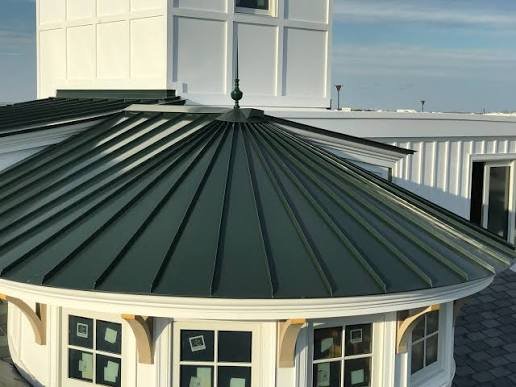
3. Metal Roofing Sheets (GI/Galvalume): Fast, Affordable, Noisier
Direct answer: Metal roofing sheets (galvanized iron or Galvalume) offer the fastest installation and lowest upfront cost among durable options, making them popular for sheds, extensions, and budget construction, though they transmit heat and rain noise more than RCC or tile alternatives without additional insulation.
Metal sheets work well for specific use cases — warehouse-style spaces, budget extensions, temporary or semi-permanent structures — where speed and cost matter more than thermal comfort or acoustic performance.
- Cost: ₹60-120 per sq ft depending on gauge thickness and coating quality
- Lifespan: 20-30 years for quality Galvalume, less for basic GI sheets in coastal or high-humidity areas
- Best suited for: budget construction, sheds, covered parking, extensions where living comfort isn’t the primary concern
Without added insulation underneath, metal roofs genuinely get uncomfortably hot in direct summer sun and loud during heavy monsoon rain — something many first-time buyers of metal-roofed sheds discover the hard way during their first proper monsoon.
4. Concrete Roof Tiles: A Middle Ground Between RCC and Clay
Concrete tiles offer a reasonable middle option — more affordable than premium clay tiles, better heat performance than bare metal sheets, and reasonably durable without needing the specialized craftsmanship traditional clay tile installation sometimes requires.
- Cost: ₹70-130 per sq ft including installation
- Lifespan: 25-40 years depending on quality and coating
- Maintenance: lower than clay (fewer individual tile breakages) but still needs periodic inspection for cracking
[link to related guide on signs your roof needs repair before monsoon here] for what to watch for regardless of which roofing material you choose.
5. Modern Waterproofing Membranes for RCC Terraces
Since RCC is genuinely the most common choice, the waterproofing membrane applied on top deserves its own comparison, since this is where most of the actual cost-versus-durability decision happens for RCC roofs specifically.
- APP membrane (torch-applied): ₹25-40 per sq ft, lasts 8-12 years, good for heavy-use terraces
- Liquid waterproofing (polyurethane/acrylic based): ₹15-30 per sq ft, lasts 5-8 years, easier reapplication
- Cementitious waterproofing: ₹10-20 per sq ft, lasts 4-6 years, most budget-friendly but shortest lifespan
Has anyone in your building ever compared notes on which waterproofing method they used and how it’s held up? I did this recently with a few neighbours, and honestly, the APP membrane users reported noticeably fewer repeat issues over a decade compared to the cheaper cementitious option, even accounting for the higher upfront cost.
Cost-Per-Year Comparison: The Number That Actually Matters
Here’s where the real comparison happens — dividing total cost by expected lifespan to get a genuine annual cost figure:
| Material | Approx Cost (per sq ft) | Lifespan | Cost Per Year (approx) |
| RCC + APP membrane | ₹425-640 (structure + waterproofing) | 10-12 years (membrane cycle) | ₹35-53/year |
| Clay tiles | ₹80-150 | 30-50 years | ₹2-5/year |
| Metal sheets (Galvalume) | ₹60-120 | 20-30 years | ₹2-4/year |
| Concrete tiles | ₹70-130 | 25-40 years | ₹2-4/year |
| RCC + cementitious waterproofing | ₹410-620 | 4-6 years (membrane cycle) | ₹68-155/year |
This table specifically isolates the roofing/waterproofing cost, not the full structural cost of the building itself, which is why RCC numbers include repeated waterproofing cycles over time.
Which Roofing Material Actually Suits Your Situation
Direct answer: RCC with quality waterproofing suits most Indian apartment living and independent houses wanting usable terrace space, clay or concrete tiles suit those prioritizing heat performance and long-term low maintenance, and metal sheets suit budget extensions or non-living spaces where cost and speed matter more than comfort.
There’s genuinely no single “best” answer here — it depends on what you’re building and what matters most to you specifically.
- Want a usable terrace for drying clothes, gardening, or gatherings: RCC remains the practical default
- Building an independent house and prioritizing natural cooling: clay or concrete tiles are worth the extra planning
- Need a quick, budget covering for a shed, parking area, or non-living extension: metal sheets make sense
FAQ: Common Questions About Best Roofing Materials
What’s the most durable roofing material for Indian homes? Clay tiles and quality metal (Galvalume) sheets both offer excellent longevity, 25-50 years depending on quality. RCC’s structural slab lasts even longer, but its waterproofing layer needs periodic reapplication regardless.
Is RCC roofing actually the cheapest option long-term? Not necessarily — while RCC is the default and structurally necessary for most apartment construction, the repeated waterproofing cost over decades can exceed the lifetime cost of clay or concrete tile alternatives when calculated per year of service.
Do metal roofing sheets work well in Indian summer heat? Not without additional insulation underneath. Bare metal sheets transmit heat significantly, making spaces beneath them noticeably hotter than RCC or tile alternatives during peak summer months.
How often does RCC terrace waterproofing actually need reapplication? Depending on the method used, anywhere from 4-6 years (cementitious, most budget-friendly) to 8-12 years (APP membrane, more durable but pricier upfront).
Are clay tiles suitable for apartment buildings, or just independent houses? Clay tiles work best with sloped roof structures, which is why they’re more common in independent houses. Most Indian apartment buildings use flat RCC roofs, making tile options less practical without significant structural redesign.
Which roofing material needs the least ongoing maintenance? Metal sheets and clay tiles both need relatively low ongoing maintenance beyond occasional damaged-piece replacement, compared to RCC roofs, which need periodic waterproofing reapplication regardless of the concrete’s own structural durability.
Final Thoughts
Choosing among the best roofing materials for your specific situation comes down to running the actual cost-per-year math, not just comparing upfront quotes side by side. RCC with proper waterproofing suits most standard Indian construction, while tile and metal options serve more specific priorities around heat performance or budget speed.
Before finalizing your next roofing decision, ask your contractor directly for expected lifespan alongside the price quote, then do the simple division yourself. That one extra question, more than any brand loyalty or contractor recommendation, is what actually protects your long-term roofing budget.