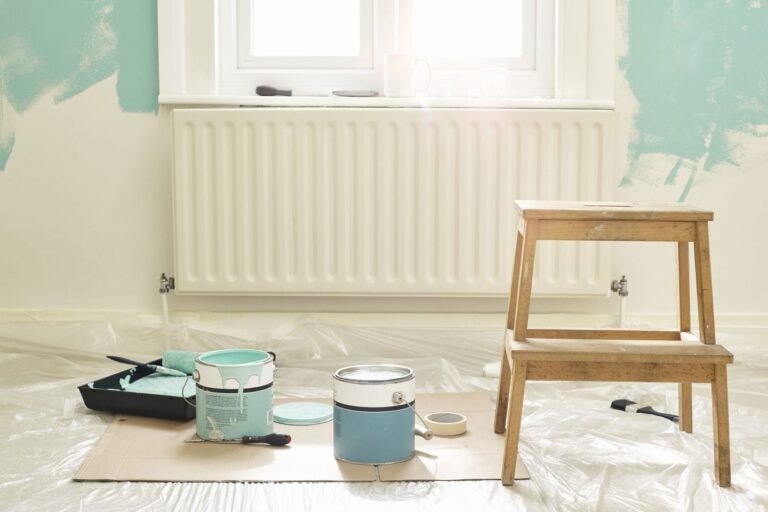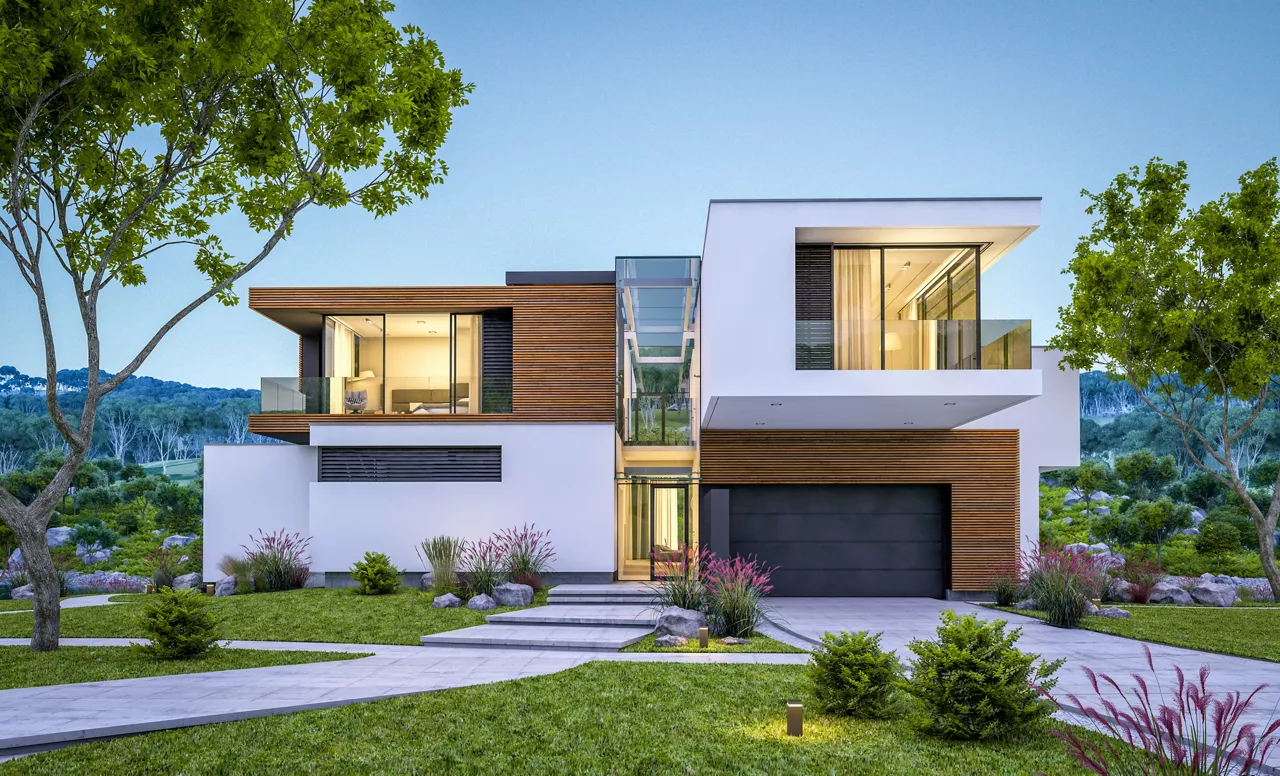
Standing outside your house, paint chip in hand, wondering if that lovely teal you fell for online is going to help or hurt when it’s time to sell? You’re not alone. Choosing the best exterior paint colors is one of those decisions that feels purely aesthetic until you realise buyers form an opinion about a house within seconds of seeing it from the street. I’ve watched two identical houses in the same Jaipur colony get very different offers, and the paint job was genuinely part of the story. Colour affects perceived maintenance, perceived size, even perceived price bracket. Let’s get into what actually works, and what to avoid if resale value matters to you.
Why Exterior Paint Color Actually Affects Resale Value
This isn’t just decorating opinion — there’s real psychology and market behaviour behind it.
Quick answer: The right exterior paint colors increase home value by improving curb appeal, signalling good maintenance, and appealing to the broadest range of buyers. Neutral, well-chosen shades can add measurable resale value, while bold or poorly maintained colors can actually turn buyers away before they even step inside.
Buyers make snap judgments. Real estate agents will tell you the “drive-by” impression happens in under 10 seconds, and colour is the single biggest visual element in that window. A fresh, tasteful exterior signals the owner has taken care of the place — even if the buyer hasn’t seen the plumbing yet.
There’s also a psychological safety factor. Neutral colours feel like a blank canvas buyers can imagine themselves living in. A house painted in an intensely personal colour choice — say, bright purple — makes buyers picture the cost and hassle of repainting before they’ve even walked through the gate.
I’ve noticed something else too: colour affects how big a house looks. Lighter shades tend to make a structure appear larger and more open, while very dark colours can make a compact house feel boxed in, especially in tighter urban plots common in cities like Mumbai or Bengaluru.
None of this means you have to paint everything beige. It just means the colour choice deserves more strategic thought than “what do I personally love.”
Top Neutral Colors That Appeal to Most Buyers
Neutrals remain the safest, most universally liked choice for a reason — they simply work across architectural styles and buyer preferences.
- Warm white or off-white — classic, timeless, pairs well with almost any roof or door colour
- Soft beige or sand tones — particularly popular in Rajasthan and other warmer states, since it hides dust and heat marks well
- Light grey — increasingly popular in newer builds, feels modern without trying too hard
- Greige (grey-beige blend) — a genuine crossover trend that’s held up surprisingly well over the last few years
A soft beige or warm white exterior tends to photograph beautifully too, which matters more than people realise now that most buyers browse listings online first. Property photos with washed-out or overly dark exteriors just don’t get the same click-through.
Bold Accent Colors That Still Work (When Used Right)
Neutral doesn’t have to mean boring — and honestly, an all-white house can feel a bit flat if there’s zero contrast anywhere.
Quick answer: Bold exterior colors can boost curb appeal without hurting resale value when used sparingly, typically on doors, shutters, or trim rather than the entire façade. Navy blue doors and deep green accents are consistently popular choices that add character without alienating buyers.
The trick is restraint. A single navy blue front door on an otherwise neutral house reads as intentional and stylish. The same navy covering the entire exterior can feel heavy and overwhelming, particularly on smaller homes.
Some accent combinations that consistently work well:
- Charcoal grey trim against a soft white base — sharp, modern, doesn’t date quickly
- Deep green door with beige or cream walls — feels grounded, slightly traditional, ages well
- Terracotta or rust accents paired with sand-toned walls — this actually leans into regional aesthetics common in parts of Rajasthan and Gujarat, so it doesn’t feel out of place
Picture a small business owner in Jaipur who runs a home-based boutique. She repainted her house’s boundary wall in a warm terracotta with cream detailing on the main structure. It didn’t just look good — clients commented on it, and when she eventually listed a portion of the property for rent, it got noticed faster than the plain white house next door.
Colors to Avoid If You Care About Resale Value
Some colours are just risky bets, no matter how much you personally love them.
Bright, saturated colours — think hot pink, neon yellow, electric blue — tend to narrow your buyer pool dramatically. What you find charming, a buyer might see as an expensive repainting project waiting to happen.
Very dark colours across an entire façade (deep black, near-black navy) can look striking in photos but absorb serious heat in Indian summers, and buyers who understand that will factor it in. I’d personally avoid an all-black exterior in most Indian cities — it’s just not practical here, however sleek it looks on Pinterest.
A few more to think twice about:
- Overly trendy pastels that feel tied to a specific design moment rather than timeless
- Mismatched, chaotic colour schemes with too many competing shades on one façade
- Colours that clash badly with a red-tiled roof or existing stonework — this happens more often than you’d expect
Has this ever happened to you — walking past a house and thinking “that colour choice really doesn’t do this place any favours”? That instinct is usually right, and buyers have the same reaction, just silently.
How Climate Should Influence Your Color Choice
This part gets skipped in a lot of generic paint guides, but in India it genuinely matters.
Hot, dry regions like Rajasthan and Gujarat do better with lighter shades that reflect heat rather than absorb it. Sand, warm white, and soft beige aren’t just aesthetically fitting for the region — they keep interior temperatures a touch more manageable too.
Humid coastal cities face a different issue entirely: mould and paint degradation. Darker, richer colours can actually hide staining and water marks better in places like Kochi or Mumbai, but you’ll want a paint formulated specifically for humidity resistance regardless of shade. [link to related guide on best flooring for humid climate here — same climate logic applies to exterior surfaces]
If you’re in a dusty region, avoid very pale colours near ground level. Dust marks show up fast on light-coloured walls below waist height, and repainting that lower band more frequently gets expensive and tedious.
Paint Finish Matters Almost as Much as Color
People obsess over the colour swatch and completely forget the finish affects the final look just as much.
Quick answer: For exteriors, a matte or low-sheen finish typically looks more upscale and hides surface imperfections better, while high-gloss finishes show dirt, dust, and application flaws more visibly — especially in dusty Indian climates.
Matte finishes have become the preferred choice for modern homes because they give that clean, almost velvety look in photos and in person. The trade-off is they can be slightly harder to clean.
Satin or eggshell finishes sit in a nice middle ground — a bit of sheen, easier maintenance, still looks reasonably premium. This tends to be my personal recommendation for most Indian homes, honestly, since dust is a constant battle here regardless of colour choice.
High-gloss finishes work well for doors, gates, and window frames — small accent areas — but covering an entire façade in high gloss can look almost plasticky and cheap, which is the opposite of what you want if resale value is the goal.
Regional and Cultural Color Preferences Across India
Colour trends aren’t uniform across the country, and ignoring this can genuinely hurt your resale prospects in a specific local market.
In South Indian cities like Chennai and Coimbatore, warm yellows and ochres remain popular and are seen as traditional, welcoming choices. In North Indian cities, whites, greys, and beiges dominate newer construction, especially in gated communities and builder-floor developments.
A few regional patterns worth knowing:
- Rajasthan and parts of Gujarat lean toward sand and terracotta tones, partly practical (heat), partly cultural
- Kerala often favours a mix of white with wood-toned accents, playing off the region’s traditional architecture
- Metro apartment complexes increasingly standardise on grey and white combinations, largely driven by builder branding rather than individual homeowner choice
If you’re planning to sell within a specific micro-market, it genuinely helps to drive around the neighbourhood first and notice what’s already there. Standing out slightly is fine. Looking completely out of place rarely helps resale value.
Testing Colors Before You Commit
This step gets skipped constantly, and it’s honestly the one that saves the most regret later.
Paint chips under showroom lighting look nothing like they will on your actual wall under real sun. A colour that looks like a soft beige indoors can turn distinctly yellow or pink once it’s baking in direct Rajasthan sunlight for six hours a day.
A few practical steps that actually help:
- Buy small sample pots and paint patches directly on your exterior wall — at least 2×2 feet, in more than one spot
- Check the sample at different times of day — morning light and evening light change colours dramatically
- Step back and view it from the street, not just up close, since that’s the actual buyer’s perspective
- Live with the sample for at least 3-4 days before committing to the full job
Skipping this step is how people end up repainting an entire house within a year because the colour “looked different in the can.” [link to related guide on choosing the right paint finish for Indian homes here]
FAQs About Choosing Exterior Paint Colors
What are the best exterior paint colors for reselling a home in India in 2026? Warm white, soft beige, and light grey remain the top performers for broad buyer appeal. They photograph well, suit most architectural styles, and don’t require a buyer to picture repainting immediately.
Do dark exterior colors reduce home value? Not always, but an entirely dark façade can narrow your buyer pool and isn’t ideal for hot Indian climates. Using dark shades as accents rather than the dominant colour tends to work better.
How much does exterior paint color really affect resale price? It’s hard to put an exact number on it, but real estate agents consistently note that curb appeal, paint included, influences how fast a home sells and the initial offers it attracts.
Should I match my neighbours’ house colors? You don’t need to match exactly, but wildly clashing with the surrounding street can hurt buyer perception. A complementary, slightly distinct shade usually works best.
What exterior paint finish lasts longest in Indian weather? Satin or eggshell finishes tend to balance durability and looks well across most Indian climates, though genuinely humid coastal regions need paints specifically rated for moisture and mould resistance.
Is it worth repainting before selling a house? Usually yes, if the current exterior looks faded, patchy, or outdated. A fresh, neutral coat is one of the more affordable renovations that reliably improves first impressions.
Final Thoughts
Picking the best exterior paint colors for your home really comes down to balancing personal taste with what actually works for your climate, your region, and your resale timeline. Neutrals like warm white, beige, and light grey remain the safest bet if value matters most, while a well-placed bold accent — a navy door, a terracotta trim — adds personality without scaring off buyers.
If you’re planning to sell in the next few years, don’t just pick a colour off Pinterest. Drive around your own neighbourhood, notice what’s already there, and test a real sample on your actual wall before committing. That one extra weekend of patience with paint samples can save you a much bigger repainting bill down the line.