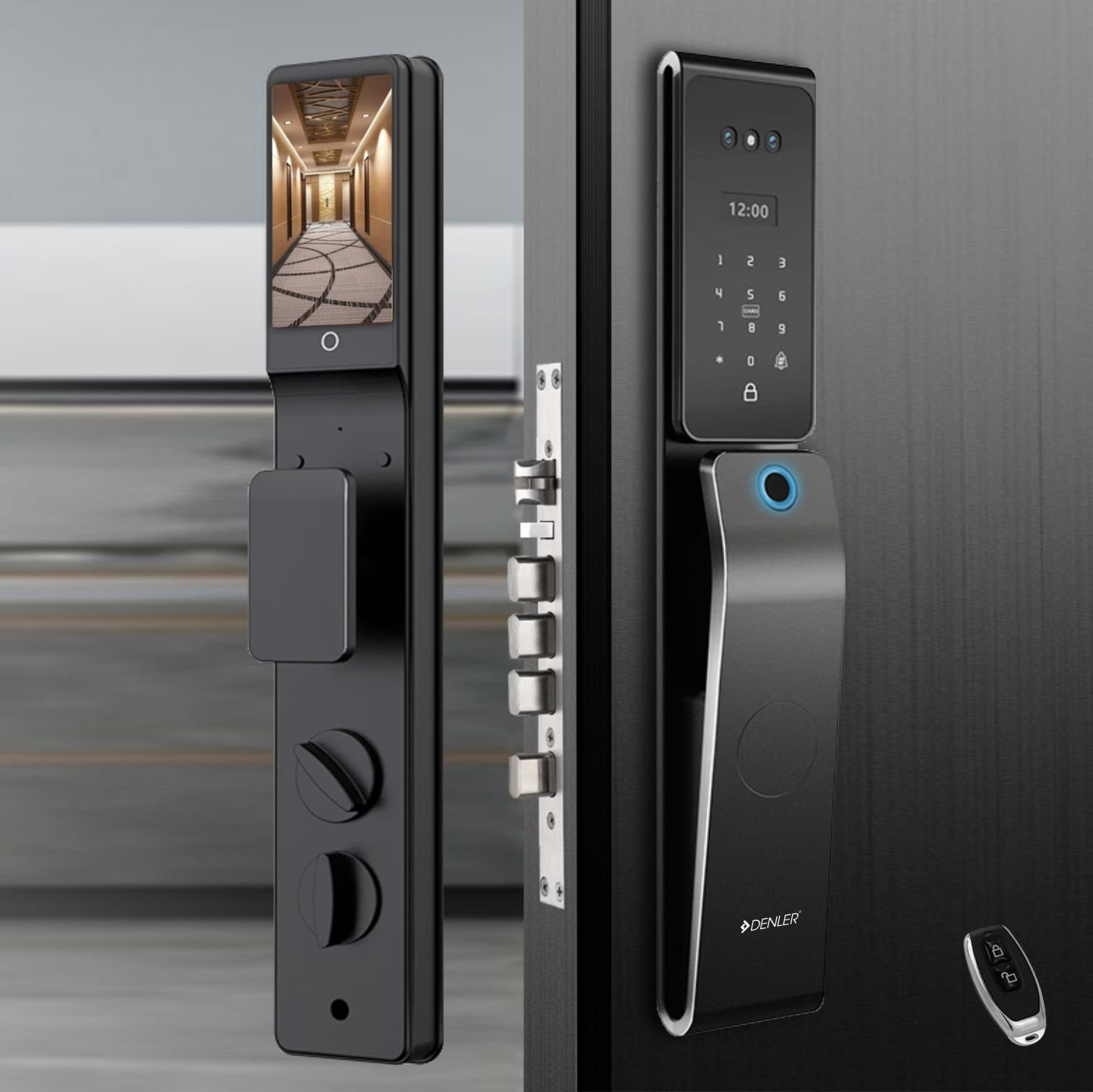
Fumbling for keys outside your own door at 11 PM, arms full of grocery bags, is one of life’s small but genuinely irritating moments. A decent smart door lock India buyers can actually rely on fixes exactly that, and does a lot more besides.
I switched my own main door to a fingerprint lock about two years ago, mostly on a whim, and I’ll admit I was skeptical it’d hold up through a Delhi summer and a proper monsoon. It has, mostly. This guide walks through what actually matters when picking a smart door lock for an Indian home in 2026 — not spec-sheet numbers that sound impressive but don’t mean much day to day.
What Makes a Smart Door Lock Actually Work in Indian Conditions
Direct answer: A smart door lock suited for India needs a fingerprint sensor that performs reliably in humidity, a mechanical key backup for power failures, weatherproofing for exposed main doors, and a battery backup — since standard door dimensions and monsoon moisture affect performance more than most global brands account for.
Global lock brands are often designed and tested for drier, more temperate climates. That’s not a knock against them, it’s just a fact worth knowing. Humidity affects optical fingerprint sensors more than capacitive ones, for instance — something I learned the hard way after my first lock started misreading my fingerprint every monsoon without fail.
Indian doors also aren’t standardized the way they are in some other markets. Before ordering anything, measure your door’s thickness, the bore hole diameter if you’re replacing an existing lock, and the backset distance. Skipping this step is the single most common reason people end up needing a return or exchange.
Budget Range: Under ₹8,000
Direct answer: Budget smart locks under ₹8,000 typically offer fingerprint and PIN access with basic app connectivity, making them a reasonable entry point for renters or first-time buyers who want keyless convenience without a big investment.
This range won’t get you WiFi remote unlock in most cases, and that’s fine for a lot of households. Bluetooth-only connectivity means you can’t unlock the door from outside network range, but for a straightforward main-door replacement, most people never actually need that.
Brands like LAVNA and Golens have a genuine presence in this bracket, generally offering fingerprint plus PIN access, and sometimes RFID card support too. Build quality varies more here than in higher tiers, so check for at least a 1-year warranty before buying anything at the very bottom of this range.
Mid-Range: ₹8,000 to ₹15,000 — The Sweet Spot for Most Homes
This is genuinely where most Indian apartment owners should be looking, and honestly where I’d point a friend asking for a straightforward recommendation. You start getting real brand trust here — Godrej, Qubo, and Mygate all have models sitting comfortably in this range.
Picture a small business owner in Jaipur wanting to secure a rented office space without a big security budget — a mid-range lock with fingerprint plus OTP access covers that need well, letting them share temporary access codes with staff or a cleaning service without ever handing out a physical key.
What to look for specifically at this price:
- Multiple unlock methods (fingerprint, PIN, and at least one backup like RFID or a mechanical key)
- A stated warranty of 2-3 years, not just 1
- Tamper alert or alarm functionality — surprisingly common even at this price now
Premium Tier: ₹15,000 and Above
Direct answer: Premium smart locks (₹15,000-₹35,000+) from brands like Yale, Samsung, and Hafele add WiFi connectivity for true remote access, stronger build materials, and more advanced fingerprint sensors — worth the extra spend mainly for independent houses or main entrance doors facing higher security needs.
Yale’s Indian lineup brings a long lock-making history into this segment, and the app integration tends to be noticeably more polished than budget alternatives. Samsung’s digital lock range carries similar premium positioning, with a design focus that suits modern apartment aesthetics particularly well.
Is the jump from ₹12,000 to ₹25,000 actually worth it for most homes? Honestly, not always. Unless you specifically need WiFi-based remote access — say, for letting in a delivery or house help while you’re away at work — the mid-range tier covers most practical needs just fine.
Fingerprint vs PIN vs App: Which Access Method Matters Most
Every smart lock now offers multiple access methods, but they’re not all equally useful day to day. Here’s how I’d rank them for a typical Indian household:
- Fingerprint — fastest for daily use by household members, but performance varies by sensor quality and can lag in extreme humidity
- PIN code — reliable backup, good for guests or family members who don’t want to register a fingerprint
- OTP/temporary codes — genuinely useful for delivery staff, house help, or short-term guests since codes expire automatically
- App/remote unlock — convenient but depends entirely on WiFi connectivity and isn’t essential for most households
- Mechanical key backup — non-negotiable; never buy a lock without one, no matter how advanced the electronics are
Installation: DIY or Professional?
Direct answer: Most smart door locks marketed in India include free professional installation from the brand, which is worth taking advantage of even if the process looks simple in demo videos — incorrect installation is the leading cause of early lock failures and warranty disputes.
I attempted a DIY install on my first lock to save the installation fee, which in hindsight was a mistake. Got the bore alignment slightly off, and the deadbolt never quite sat right afterward. Free installation exists for a reason — take it.
If your door doesn’t match standard sizing (common in older buildings or custom-built homes), mention this to the installer beforehand. Retrofitting an oddly-sized door sometimes needs additional carpentry work that isn’t included in the standard installation charge.
Battery Life and Power Backup: Don’t Get Caught Locked Out
Nothing defeats the purpose of a smart lock quite like being stuck outside because the batteries died. Most quality locks warn you well in advance — low battery alerts through the app or an audible beep — but it’s worth understanding backup options regardless.
- Standard AA battery backs typically last 6-12 months depending on usage frequency
- A 9V emergency battery port (common in most mid-range and premium locks) lets you power the lock temporarily from outside if the main batteries die completely
- Always keep the physical mechanical key somewhere accessible but not obviously near the door itself
[link to related guide on budget smart home upgrades here] if you’re building out a broader smart home setup around your new lock.
Data Privacy: A Question Worth Asking Before You Buy
Not something people think to ask, but genuinely worth raising with any smart lock brand — where is your access data actually stored? Some brands store fingerprint and access logs on Indian servers with encryption, while others route data through international cloud services.
This matters more for households wanting extra peace of mind, though for most buyers, any established brand with a proper privacy policy should be reasonably safe. Ask the retailer or check the brand’s website specifically, rather than assuming.
[link to related guide on smart plug and hub setups for Indian homes here]
FAQ: Common Questions About Smart Door Lock India Options
Is a smart door lock actually safer than a traditional key-and-deadbolt setup? Generally yes, provided you choose a lock with a proper deadbolt mechanism and multiple stainless steel bolts, not just a decorative-looking unit. Encryption and tamper alarms add a layer traditional locks simply don’t have.
Do smart locks work during a power cut? Yes — nearly all run on battery power independent of your home’s electricity supply. WiFi-connected features won’t work if your router loses power, but the lock itself still functions on fingerprint, PIN, or mechanical key.
What happens if the fingerprint sensor stops working? Every reliable smart lock includes backup access — PIN code and a mechanical key at minimum. You should never be fully dependent on the fingerprint sensor alone.
Can I install a smart lock on a rented apartment door? Yes, as long as you keep the original lock hardware safely stored to reinstall before moving out. Most smart locks fit into standard door preparations without permanent modification, though it’s worth confirming with your landlord first.
How long do smart door locks typically last before needing replacement? A good quality lock, properly maintained, should last 5-7 years minimum. Battery contacts and sensor components tend to be the parts that eventually need servicing or replacement.
Is WiFi connectivity necessary, or is Bluetooth enough? Bluetooth is enough for most households who just want keyless entry for people already at home. WiFi only becomes genuinely useful if you need to unlock remotely for guests or deliveries while you’re away.
Final Thoughts
Choosing the right smart door lock for an Indian home really comes down to matching the tier to your actual needs, not chasing every feature on the spec sheet. Most apartment owners are genuinely well served by the mid-range bracket, while independent houses with higher security needs might justify the premium jump.
Measure your door properly before ordering anything, always confirm a mechanical key backup is included, and take the free installation offer rather than risking a DIY attempt. Get those three things right, and you’ll likely be locking (and unlocking) that door without a second thought for years to come.