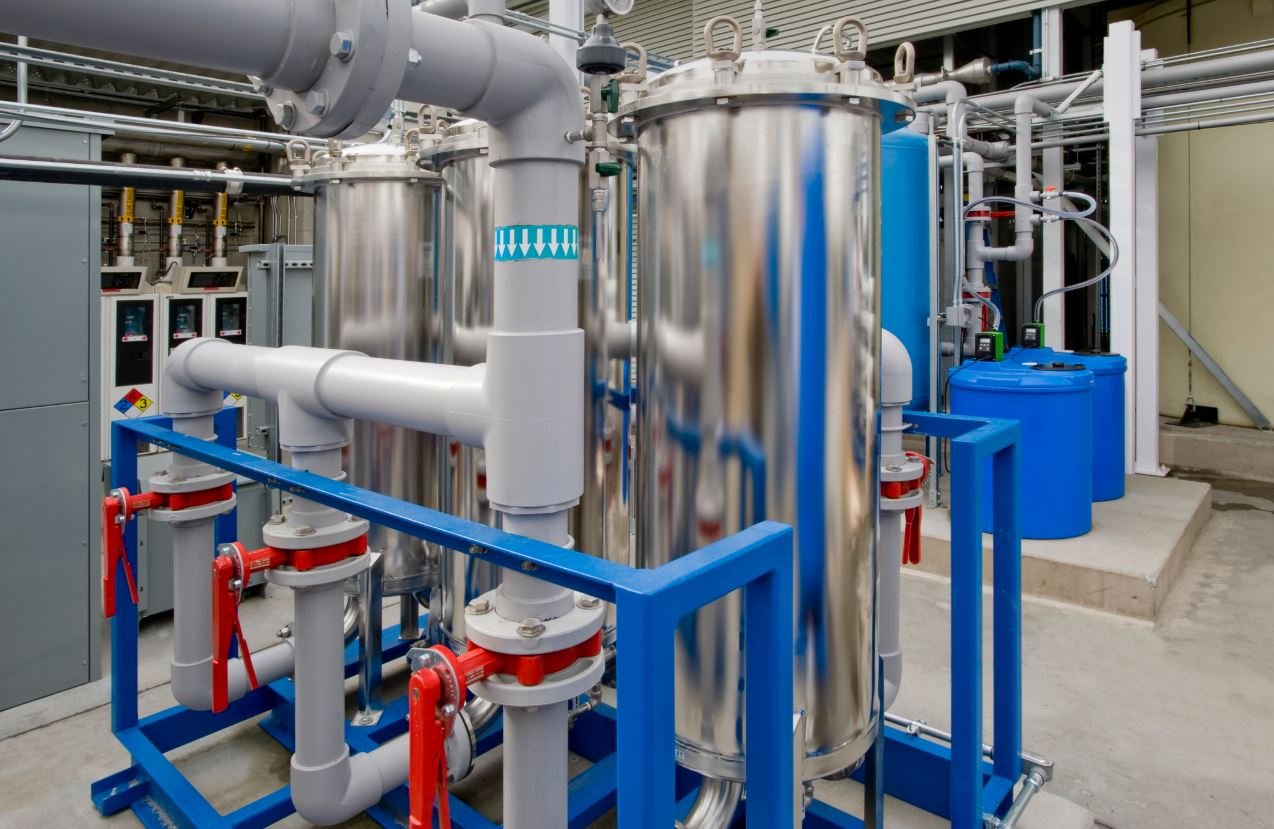
Water plays a bigger role in business operations than many people realize. It flows through kitchens, restrooms, production equipment, cooling systems, cleaning stations, and countless other parts of a working facility. When the water supply is reliable, most people barely think about it. But when mineral buildup damages equipment, unpleasant odors appear, or water quality becomes inconsistent, the problem can quickly affect daily operations.
For business owners, good water management isn’t simply about keeping taps running. It’s about protecting equipment, maintaining hygiene, controlling operating expenses, and creating a better experience for employees and customers. Understanding how water treatment works can help businesses avoid unnecessary problems and make practical decisions for the long term.
Why Water Quality Matters in Commercial Settings
Every business uses water differently. A restaurant depends on it for food preparation, dishwashing, and sanitation. A hotel needs dependable water for guest rooms, laundry, kitchens, and heating systems. Manufacturing facilities may require carefully controlled water quality for production processes.
These different needs mean there isn’t one solution that works for every building. Hard water, for example, contains elevated levels of minerals such as calcium and magnesium. Over time, these minerals can accumulate inside pipes, boilers, water heaters, and other equipment. The resulting scale can reduce efficiency and increase maintenance requirements.
Other concerns may include iron staining, sediment, unpleasant tastes, or specific contaminants that require targeted treatment. Even when water looks clear, its chemical and mineral composition can still affect how well equipment performs.
The first step is understanding what is actually in the water rather than purchasing equipment based on assumptions.
Choosing a Treatment System That Fits Your Business
A carefully planned commercial water treatment solution starts with the building’s water supply, daily consumption, and operational requirements. A small café and a large industrial facility might both experience hard water, but their flow rates, equipment demands, and treatment needs can be very different.
Some businesses benefit from water softening, which helps reduce hardness minerals and the scale they can create. Others may need sediment filtration to capture suspended particles or carbon filtration to improve taste and reduce certain odors. Reverse osmosis can be useful for applications that require lower concentrations of dissolved substances, including some beverage preparation and specialized production processes.
However, no single technology removes every possible contaminant. The right equipment depends on test results, the intended use of the treated water, and the quality standards the business needs to meet.
It also pays to think beyond the initial purchase. Installation space, replacement filters, salt consumption, wastewater generation, service access, and ongoing energy use can all influence the total cost of ownership. A system that appears inexpensive at first may become costly if it requires frequent repairs or cannot handle peak demand.
Start With a Clear Picture of Your Water
It’s tempting to solve a water problem as soon as it appears. Brown stains might lead to a filter purchase, while scale around faucets may prompt a business owner to install a softener. These reactions are understandable, but they don’t always address the underlying cause.
A free water test can be a useful starting point when offered by a qualified water treatment provider. Depending on the provider and testing method, it may help identify hardness, pH, iron, chlorine, or other basic water characteristics. Ask what the test includes, whether samples are analyzed on-site or in a laboratory, and whether additional testing is recommended for your particular concerns.
Keep in mind that a basic screening is not the same as a comprehensive laboratory analysis. If your business handles food, healthcare activities, regulated production, or other sensitive applications, you may need more extensive testing to satisfy applicable standards.
It helps to describe the problem clearly when arranging an assessment. Mention unusual smells, visible sediment, staining, changes in taste, equipment failures, or fluctuations in water pressure. Even small details can help a technician determine which tests are appropriate.
A good provider should explain the results in plain language, including what they mean, what they don’t establish, and whether treatment is necessary.
Understanding Different Water Treatment Technologies
Once the water has been evaluated, the next step is matching the findings to a suitable treatment method.
Filtration is often used to remove suspended particles and, with the appropriate media, reduce certain substances that affect taste or odor. Sediment filters are useful where sand, rust particles, or other visible material enters the supply. Carbon filters can help reduce chlorine and some organic compounds, although their effectiveness depends on the specific filter and contaminant.
Water softeners address hardness rather than serving as universal purification systems. They can help reduce mineral scale in plumbing and equipment, but they don’t automatically remove bacteria, viruses, or every dissolved chemical.
Reverse osmosis uses a membrane to reduce many dissolved substances. It’s widely used in applications where water composition matters, but system selection should account for recovery rates, water pressure, pretreatment, and the management of reject water.
For certain businesses, ultraviolet disinfection or other specialized technologies may be appropriate. These systems have specific operating requirements and should be selected according to the actual microbiological risks involved.
The important thing is to treat the cause, not simply the most noticeable symptom.
Building a Reliable Maintenance Routine
Installing treatment equipment is only part of the job. Like other building systems, water treatment equipment needs regular attention to keep performing as intended.
Filters may require replacement at intervals determined by water quality, usage, and manufacturer recommendations. Softener systems need checks on salt levels and regeneration settings. Reverse osmosis units may require membrane inspections, performance monitoring, and periodic sanitation. Pumps, valves, storage tanks, and connected plumbing should also be checked for leaks or unusual wear.
A simple maintenance log can make these tasks easier to manage. Record service dates, filter changes, test results, repairs, and any noticeable changes in water quality. This information can reveal patterns before they turn into expensive breakdowns.
Businesses with high water consumption may benefit from scheduled professional servicing. Rather than waiting for equipment to fail, planned maintenance helps keep systems operating consistently and makes budgeting more predictable.
Staff awareness matters, too. Employees should know whom to contact if water develops an unusual appearance, equipment alarms activate, or pressure suddenly changes.
Looking at Water Use as a Long-Term Investment
Water treatment decisions are often discussed in terms of equipment prices, but the wider financial picture deserves attention. Mineral scale can reduce heat-transfer efficiency, interfere with cleaning processes, and contribute to premature equipment wear. Poorly matched filtration equipment can create unnecessary maintenance costs, while inadequate treatment may disrupt operations when water quality changes.
Well-designed water systems should reflect the way a business actually operates. That includes expected demand, peak usage, available space, local water conditions, and the consequences of an interruption. For some facilities, redundancy or additional storage may be worth considering. For others, a straightforward filtration and softening arrangement may be sufficient.
It’s sensible to request a clear proposal that outlines equipment specifications, expected maintenance, consumable costs, installation requirements, and any limitations. Compare providers on their ability to explain the solution, not just on the price quoted.
Businesses should also avoid assuming that more treatment is always better. Excessive or unnecessary processing can add costs without delivering meaningful benefits. The goal is water that meets the needs of the application safely and efficiently.
Making a More Informed Decision
Reliable water quality rarely happens by accident. It comes from understanding the supply, identifying the problems that matter, and choosing treatment equipment that suits the building and its daily demands.
Start with testing, ask questions, and look for recommendations supported by measurable results. Consider ongoing maintenance just as carefully as installation, and review system performance when business needs change.
The best solution isn’t necessarily the biggest or most complicated one. It’s the system that does its job consistently, protects valuable equipment, and helps people work with confidence. With a practical approach to water management, businesses can reduce avoidable headaches and build a more dependable foundation for everyday operations.