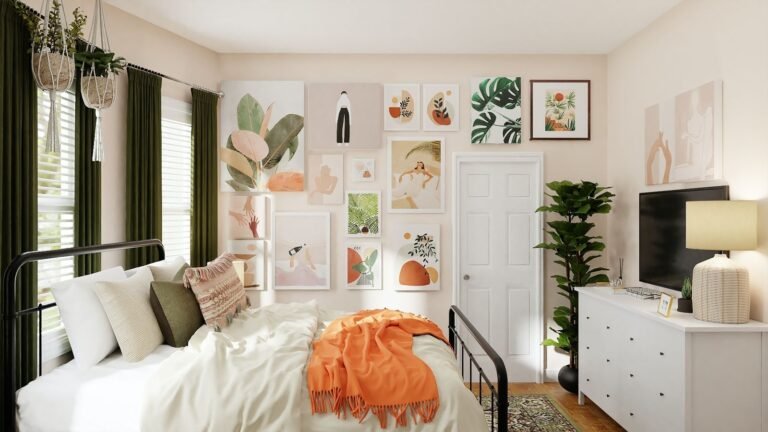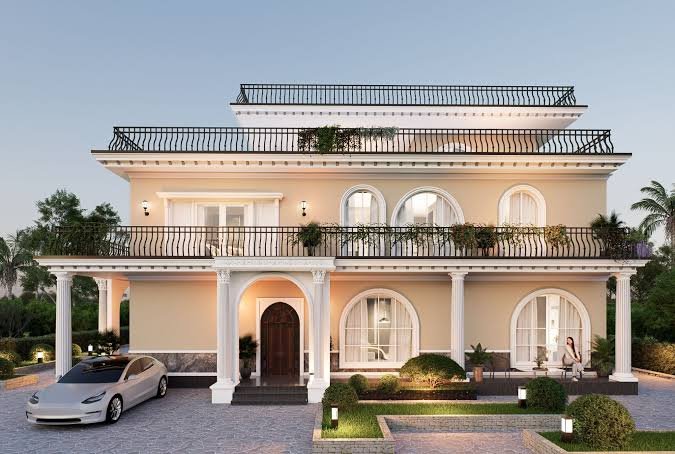
Some buildings make an impression before you even step inside. It might be the way sunlight catches a stone facade in the morning, the quiet confidence of a well-proportioned entrance, or the way a modern extension sits naturally beside an older structure. Nothing feels forced. The design simply belongs.
Creating spaces like these takes more than choosing attractive materials or following the latest architectural trend. It requires a clear understanding of the site, the people who will use the building, and the feeling the finished space should create. Whether the project involves a private residence, a commercial property, or a complete renovation, the strongest results usually come from thoughtful decisions made long before construction begins.
Architecture is, after all, something people live with every day. A building needs to work, last, and make sense in its surroundings. When those practical demands meet a strong creative vision, the result can be both memorable and genuinely useful.
Design That Begins With Purpose
Every successful project starts with a reason for building. Perhaps a family needs more room to grow, a business wants to create a welcoming customer experience, or a property owner hopes to give an outdated structure a fresh identity. These goals may sound straightforward, but they influence almost every design decision that follows.
Before discussing finishes or exterior details, it helps to understand how the space will be used. How many people will occupy it? Which areas need privacy, and where should people be able to gather? How will natural light move through the rooms during the day? Even questions about storage, maintenance, and accessibility can shape the layout in important ways.
A home designed around a family’s routines will look different from a residence created for occasional entertaining. Similarly, a commercial building should reflect the needs of its staff and visitors rather than simply make a strong first impression.
Good architecture connects these everyday requirements with a coherent design idea. It gives the project direction and helps prevent expensive changes later. When the purpose is clear, creative choices become easier to evaluate because they serve a larger goal rather than existing merely for decoration.
The Lasting Appeal of Timeless Design
Fashion changes quickly. One year, a particular finish appears everywhere; a few seasons later, it may feel tired or overused. Buildings, however, are long-term investments. Their design should offer something more enduring than a brief moment of popularity.
A timeless style often comes from proportion, balance, material quality, and restraint. It doesn’t mean every building must be traditional or neutral. Contemporary architecture can feel enduring, just as a classic design can become dated when its details are handled without care. What matters is whether the elements work together and suit the building’s purpose.
Natural stone, timber, brick, and other materials can provide texture and character, although their suitability depends on the climate, budget, and maintenance requirements. Well-considered windows can bring daylight into interior spaces while establishing a pleasing rhythm across the exterior. A simple roofline may prove more satisfying over time than a complicated form introduced only to make the building stand out.
There is also value in leaving room for change. Interior layouts that can adapt to new furniture, different working patterns, or a growing household often remain useful longer than spaces built around a single fixed arrangement.
The aim isn’t to avoid every trend. It’s to choose the ideas worth keeping and use them in a way that feels natural to the building.
Architecture Should Belong to Its Surroundings
A building never exists in isolation. It responds to the street, the landscape, the neighboring properties, the climate, and the history of its location. Ignoring those relationships can make even an expensive project feel disconnected from its environment.
Consider a home in a warm region. Shading, cross-ventilation, window placement, and suitable exterior materials may be just as important as the visual design. In colder climates, insulation, daylight, and protection from prevailing winds may take priority. Local conditions influence comfort and operating costs, so they deserve attention from the beginning.
The character of the surrounding area matters, too. A new building doesn’t need to copy its neighbors, but it should understand their scale, materials, and relationship with the street. A contemporary design can introduce a fresh perspective while still respecting the context around it.
This balance often produces distinctive architecture. The building has its own identity, yet it doesn’t seem to be competing with everything nearby. Its shape, materials, and details respond to a particular place rather than relying on a design that could be dropped into almost any setting.
Thoughtful site planning can improve the experience beyond the building itself. Entrances that are easy to find, outdoor areas that receive useful sunlight, and landscaping that supports privacy can make a property more welcoming. Sometimes the most successful design decision is not adding another feature, but positioning an existing one more carefully.
Materials and Details Make a Difference
People often notice the overall appearance of a building first, but the quality of its details determines how well that appearance holds up. A beautiful facade may lose its appeal if water collects in the wrong places, joints deteriorate, or materials require constant attention.
Choosing materials involves more than comparing samples. Their performance, availability, installation requirements, and expected lifespan all matter. A surface that looks wonderful in a showroom might be unsuitable for a high-traffic area. Similarly, an exterior finish must be able to withstand the local weather rather than simply complement the color palette.
Details should also work together. Window frames, railings, doors, lighting, and hardware each contribute to the building’s character. When these elements are selected as part of a coordinated design, the result feels considered without becoming overly elaborate.
Good detailing isn’t necessarily expensive or complicated. A clean junction between two materials, a carefully proportioned doorway, or a well-positioned light can have a greater impact than an abundance of decorative features.
It is worth discussing maintenance before finalizing specifications. Some materials develop an attractive patina over time, while others need regular sealing, painting, or specialist cleaning. Understanding those differences helps owners choose finishes that suit both their expectations and their willingness to maintain the property.
Bringing Creative Vision and Practical Planning Together
A strong design needs a realistic path from concept to completion. Budget, approvals, construction methods, and project scheduling can all influence what is achievable. Addressing these issues early helps protect the central design idea while keeping the project grounded in reality.
The first step is establishing a budget that includes more than the visible construction work. Professional fees, permits, site preparation, utilities, interior finishes, and unexpected repairs can all affect the final cost. A contingency allowance is sensible because existing buildings and construction sites sometimes reveal surprises once work begins.
Communication between architects, designers, engineers, contractors, and property owners is equally important. Everyone needs to understand the plans, material specifications, and project priorities. Regular discussions can resolve small uncertainties before they become expensive mistakes.
This is where carefully managed projects of distinction earn their reputation. Their success isn’t based solely on a striking concept or a polished final photograph. It comes from carrying the original vision through planning, construction, and finishing while respecting the practical needs of the people who will use the space.
It also helps to make decisions in the right order. Finalizing the layout before selecting decorative finishes, for example, reduces the risk of spending money on details that may later need to change. A clear process gives creativity room to develop without losing control of the essentials.
Designing for the Years Ahead
Buildings change along with the people who use them. Families grow, businesses evolve, technology advances, and expectations about comfort continue to shift. A design that anticipates some of these changes can provide lasting value.
Flexible rooms, efficient lighting, good insulation, and accessible circulation can improve the usefulness of a property over time. Water management, durable construction, and energy-conscious systems may also reduce future operating costs when they are properly designed for the site.
Sustainability doesn’t always require dramatic gestures. Sometimes it means retaining a sound existing structure instead of demolishing it, selecting locally available materials, or using daylight more effectively. These choices can reduce waste while preserving the character of a place.
No design can predict every future need, of course. But a building with a strong foundation, practical planning, and adaptable spaces is better prepared for change than one designed around appearance alone.
A Lasting Impression Comes From Thoughtful Choices
Memorable architecture is rarely the result of a single dramatic feature. More often, it emerges from many decisions that support one another: a layout that feels intuitive, materials suited to their environment, details that withstand everyday use, and a design that responds to its surroundings.
The process begins with listening and asking the right questions. It continues through careful planning, honest budget discussions, and close attention to construction quality. Each stage contributes to the experience of the finished building.
Ultimately, good architecture should do more than attract attention on opening day. It should remain comfortable, useful, and meaningful as the years pass. When creative ambition is balanced with practical thinking, a building can develop a character of its own without sacrificing the qualities that make it work.
That is the real value of thoughtful design: creating places that look considered today and continue to serve the people who use them tomorrow.