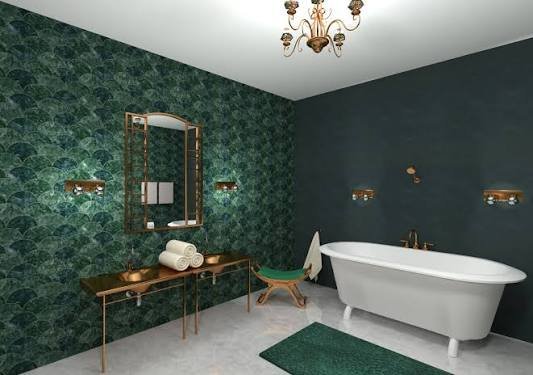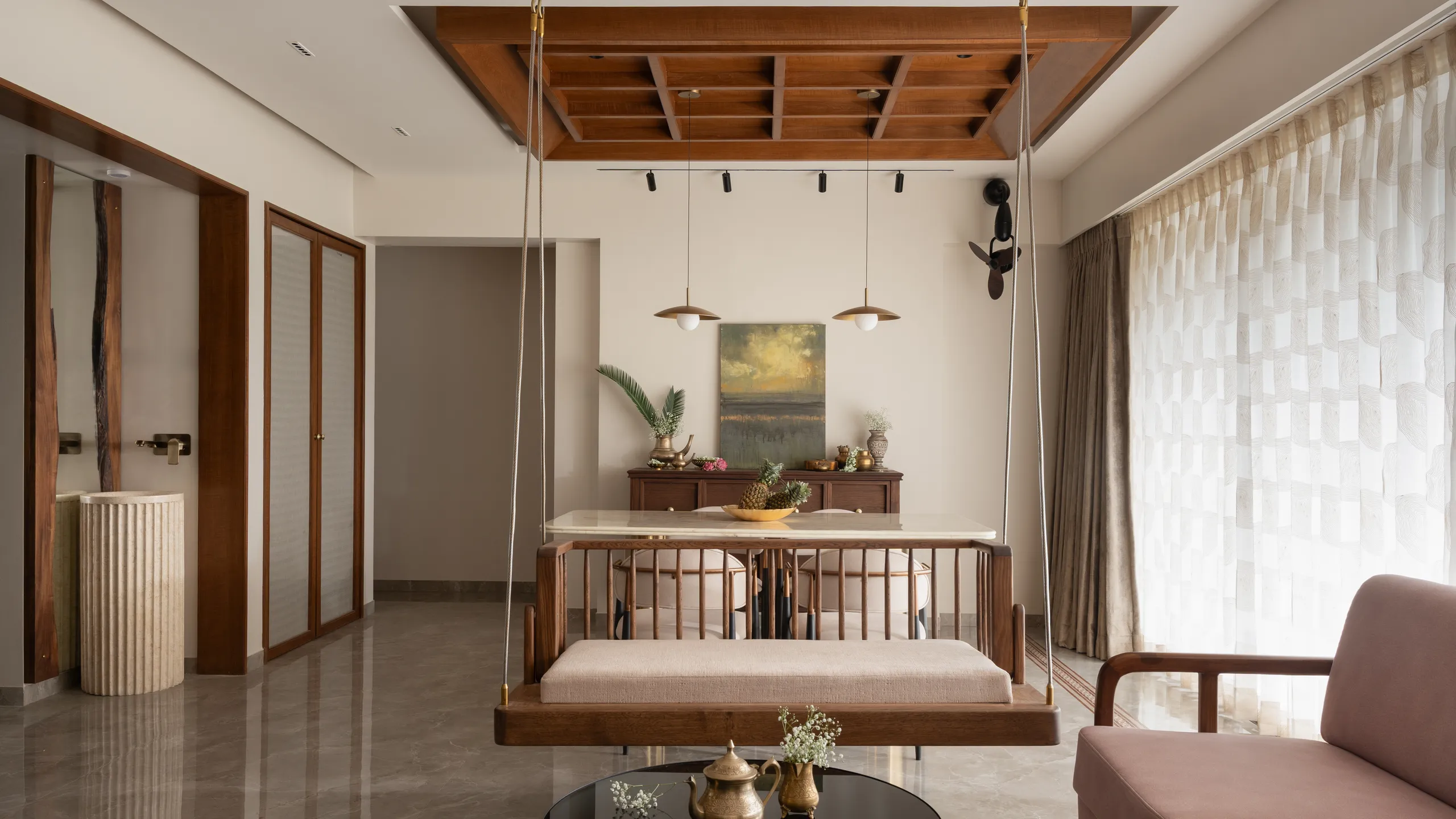
Ever walked into a small flat that somehow feels calm and open, then gone home to your own equally small flat that feels like it’s closing in on you? The difference usually isn’t square footage — it’s approach. Minimalist interior design small homes solutions have become genuinely popular in Indian cities lately, and honestly, it’s about time. Most of us grew up in homes packed with furniture, showpieces, and “just in case” storage. Unlearning that takes effort. But done right, minimalism isn’t about having an empty, sterile flat — it’s about making a small space breathe. Let’s get into what actually works for real Indian homes in 2026, not the impossibly staged versions you see online.
What Minimalist Design Actually Means for Indian Homes
There’s a lot of confusion here, so let’s clear it up first.
Quick answer: Minimalist interior design for small homes means keeping only furniture and decor that serves a genuine purpose, using a limited colour palette, and prioritising open floor space over clutter. It’s not about owning nothing — it’s about owning intentionally, especially important in Indian homes where multi-generational living often means more stuff, not less.
A lot of people assume minimalism means white walls, bare rooms, and no personality — basically a Scandinavian catalogue photo. That’s not quite right, and frankly, it doesn’t translate well to Indian living anyway. We’ve got puja corners, guests who drop by unannounced, festival decorations that come out seasonally, and often extended family staying over. Pure Western minimalism doesn’t account for any of that.
What actually works is a middle ground — fewer, better pieces, smart storage that hides the seasonal stuff, and enough breathing room that the flat doesn’t feel like an obstacle course. I’ve noticed the Indian homes that pull off minimalism well aren’t empty at all. They just don’t have three showpiece cabinets crammed into one living room, which, let’s be honest, a lot of us grew up with.
Decluttering Before You Decorate
This step gets skipped constantly, and it’s genuinely the most important one on this entire list.
You can’t design a minimalist small home around clutter that’s already there. Buying new furniture or repainting walls without decluttering first is like putting a nice tablecloth over a messy table — it looks fine for about a day.
A practical approach that actually works:
- Go room by room, not the whole house at once — trying to declutter everything in a weekend usually leads to giving up halfway
- Use the “one year” rule loosely — if you haven’t touched something in over a year and it’s not seasonal or sentimental, it’s probably safe to let go
- Separate “genuinely sentimental” from “just old” — these get confused constantly, and it’s worth being honest with yourself here
- Deal with paper clutter first — old bills, documents, random files pile up fastest and take up more visual space than people realise
Picture a small business owner in Jaipur who runs her business from a spare room in her 2BHK flat. She spent one weekend just decluttering that single room before touching any decor — donated old furniture, digitised years of paperwork, sold off unused inventory shelving. The room felt nearly 30% bigger afterward, without a single new purchase. That’s the power of subtraction before addition.
Choosing a Restrained Color Palette
Colour does a lot of heavy lifting in small-space minimalism, more than most people expect.
Quick answer: A restrained colour palette — typically 2-3 core tones plus one accent colour — makes small rooms feel larger and calmer, since visual continuity across walls, furniture, and decor reduces the sense of clutter even before you remove a single item.
Stick to warm whites, soft greys, or muted earthy tones as your base. These reflect light well, which genuinely matters in smaller Indian flats that often don’t get generous natural light through every window.
Save bold colour for one accent — a cushion set, a single wall, a piece of art — rather than spreading multiple bright shades across the room. This is honestly the single biggest mistake I see in small Indian homes trying to go minimalist: they get the furniture right, then undo it all with five different bright colours competing across cushions, curtains, and rugs.
Wood tones (light oak, warm teak) pair beautifully with neutral walls and add warmth without adding visual noise, which pure white-on-white minimalism sometimes lacks.
Multi-Functional Furniture for Small Spaces
Indian homes need furniture that works harder than a single job, especially in genuinely compact flats.
A sofa-cum-bed remains one of the smartest investments for small living rooms that occasionally need to double as a guest room. Storage ottomans do double duty as seating and a place to stash extra bedding or festival decor.
A few specific pieces worth considering:
- Extendable dining tables that seat 4 daily but expand to 6-8 for family gatherings, common enough in most Indian households
- Wall-mounted folding study desks that disappear when not in use — genuinely useful in one-room setups or shared spaces
- Beds with built-in drawer storage underneath, eliminating the need for a separate wardrobe in tiny bedrooms
- Nesting side tables that stack together when not needed, then spread out for guests
The trick with multi-functional furniture is not overdoing the “convertible” gimmick either. I’ve seen people buy furniture that transforms five different ways and ends up being mediocre at all five, rather than genuinely good at two. Pick pieces that do one or two jobs really well.
Smart Storage Solutions That Hide the Everyday Clutter
This is where minimalism and real Indian living actually meet in the middle — because we do accumulate things, festival season alone guarantees that.
Vertical storage is your best friend in small homes. Floor space is precious, but wall space usually isn’t being used to its full potential. Tall, narrow shelving units take up minimal footprint while offering serious storage capacity.
Some approaches that genuinely work:
- Closed cabinet storage over open shelving for anything that isn’t decorative — open shelves look great in photos but get cluttered fast in daily use
- Under-bed storage bins for seasonal items like blankets, festival decor, or extra bedding
- Modular wardrobe systems that can be reconfigured as your storage needs change over time
- A dedicated “landing zone” near the entrance for keys, mail, and daily items, so they don’t end up scattered across the living room
Has this ever happened to you — bought a beautiful open shelf, styled it perfectly for a week, and then it slowly filled up with random stuff until it looked worse than before? That’s basically the universal experience with open storage in a lived-in home. Closed storage just survives real life better.
Making the Most of Natural Light
Light genuinely changes how spacious a small room feels, sometimes more than the furniture arrangement itself.
Quick answer: Maximising natural light through sheer curtains, strategically placed mirrors, and unobstructed windows is one of the most effective, low-cost ways to make a small home feel open, since good lighting reduces the visual weight of furniture and walls alike.
Sheer or light-coloured curtains let daylight filter through without blocking it entirely, unlike heavy drapes that darken a room even during the day. Save the heavier curtains for genuine privacy needs, like bedrooms facing a busy street.
Mirrors placed opposite windows bounce natural light deeper into the room, and this trick genuinely works — it’s not just decorating folklore. A single well-placed mirror can make a narrow hallway or small living room feel noticeably more open.
Avoid blocking windows with tall furniture, even if that spot seems like the only place a bookshelf fits. It’s almost always worth rearranging the room slightly to keep window access clear.
Multi-Purpose Rooms Without Feeling Chaotic
Small Indian homes often need one room to serve two or three functions, and minimalist design handles this better than a cluttered approach ever could.
A living room that also serves as a home office needs clear visual separation, even without walls. A folding screen, a strategically placed bookshelf, or even just a different rug under the desk area signals “this is a different zone” without needing an actual partition.
A few zone-separation ideas that work in compact flats:
- Use a rug to define a seating area distinctly from a dining or work corner
- Keep work-related items in closed storage when not in active use, so the “office” disappears when the workday ends
- Choose furniture on castors or wheels for spaces that need to reconfigure between day and evening use
- Vertical room dividers (slatted wood, cane screens) add separation without blocking light the way a solid partition would [link to related guide on budget wall decor ideas using local materials here]
FAQs About Minimalist Interior Design for Small Homes
Is minimalist interior design suitable for Indian homes with joint families? Yes, though it needs adapting — smart closed storage and multi-functional furniture matter even more when more people share the same small space daily.
How do I start minimalist interior design small homes projects on a tight budget? Start with decluttering, which costs nothing, then focus spending on one or two multi-functional furniture pieces rather than a full room overhaul at once.
Does minimalist design mean I can’t display religious or sentimental items? Not at all. A dedicated, well-organised puja corner or a single curated shelf for sentimental pieces fits minimalist principles just fine — it’s about intentional display, not elimination.
What colours work best for minimalist small Indian homes? Warm whites, soft greys, and muted earthy tones as a base, with one accent colour used sparingly through cushions, art, or a single wall.
How much storage space do I actually need in a minimalist small home? Enough closed storage to hide seasonal and non-decorative items completely — the goal is that everyday clutter has a home, not that you own fewer belongings than you need.
Can rented flats be decorated in a minimalist style without permanent changes? Definitely — furniture choices, storage, colour through textiles, and lighting do most of the work, none of which requires drilling or repainting a rented space.
Final Thoughts
Minimalist interior design small homes approaches work particularly well in Indian flats, once you adapt the concept to actual Indian living rather than copying a Scandinavian catalogue directly. Declutter first, choose a restrained palette, invest in furniture that pulls double duty, and let closed storage handle the everyday chaos that real life inevitably brings.
Start with just one room this month — your living room or bedroom, whichever feels most cluttered right now — and apply these principles there before tackling the whole flat. You’ll likely find that one calm, breathable room changes how the entire home feels, long before you’ve touched every corner.