Booked the flights, packed the bags, told your neighbour you’ll be gone a week — and then spent the entire vacation half-wondering if you locked the back door properly. Has this ever happened to you?
Good home security tips for vacation season go well beyond the usual “ask a neighbour to watch the place” advice everyone already knows. I travel a fair bit for work and family visits, and over the years I’ve picked up habits that actually matter, mostly by getting a few things wrong the hard way first.
This isn’t about installing a fortress-level security system before every trip. It’s about the specific, practical steps that make a real difference — the kind that separates a house that looks empty from one that looks lived-in, even when nobody’s home. Let’s get into what actually works in 2026.
Why “Looks Occupied” Matters More Than Any Single Gadget
Direct answer: Burglars overwhelmingly target homes that show clear signs of being empty — accumulated mail, dark windows every single night, no movement — rather than homes with visible security systems, which is why maintaining an “occupied” appearance matters more than any single device.
I’ve noticed people spend a lot on cameras and alarms but skip the basics that actually deter opportunistic break-ins in the first place. A house that looks lived-in — lights cycling, occasional sounds, no pile-up of newspapers — discourages most casual attempts before anyone even gets close enough to test a lock.
This doesn’t mean skip the cameras. It means the appearance of occupancy is the first layer, and everything else builds on top of it.
1. Stop Mail and Delivery Pile-Ups Before You Leave
A stuffed mailbox or a stack of undelivered parcels at the doorstep is one of the clearest signals a house is empty. Anyone casing a neighbourhood notices this within seconds, and it doesn’t take a professional to spot it.
- Ask a trusted neighbour to collect mail and any deliveries daily, not just “whenever”
- Pause any subscription deliveries (milk, newspapers) rather than assuming someone will handle it
- Hold Amazon or Flipkart deliveries until you’re back, or reroute to a relative’s address instead
Picture a family in Jaipur who went on a 10-day trip and forgot to pause their milk delivery — five days in, a neighbour noticed the accumulated packets outside the door and, thankfully, flagged it to building security before anything happened. Small oversight, real risk.
2. Smart Plugs and Timers to Simulate Presence
Direct answer: Smart plugs connected to lights, set on randomized schedules rather than a fixed on/off time, create a convincing impression of occupancy — a far more effective and affordable home security tip for vacation trips than leaving a single light on constantly.
Leaving one light on 24/7 is actually a giveaway once you think about it — nobody keeps a light on nonstop for a week straight in real life. Smart plugs (₹800-2,500 each) with randomized scheduling do a much better job of mimicking actual usage patterns.
Set 2-3 plugs across different rooms — living room, bedroom, maybe a balcony light — on staggered schedules so it looks like normal movement through the house in the evening. [link to related guide on budget smart home upgrades here] covers specific smart plug options that work well for this.
3. Don’t Broadcast Your Travel Dates Publicly
This one seems obvious written down, but people do it constantly without thinking. Posting vacation photos in real time, or a public “heading to Goa for a week!” status, tells anyone watching exactly when your house is empty.
I’ll be honest, I used to do this myself until a friend pointed out how specific my location tags were getting. Now I just post after I’m back, and honestly, the photos age fine — nobody’s checking timestamps that closely anyway.
A few related habits worth adjusting:
- Keep travel posts private or share them only after returning
- Ask family members not to publicly tag your home address in posts while you’re away
- Skip the “house-sitting request” posts in public community groups — those get seen by more people than you’d expect
4. Secure Windows and Balcony Access Points Properly
Main doors get most of the attention, but windows and balconies are often the weaker link, especially ground-floor or accessible upper-floor units. A window that’s “mostly closed but not latched” is functionally an open invitation.
Check every window lock before leaving, not just the ones you remember using recently. Balcony grilles should be properly locked, not just closed — I’ve seen people assume a closed grille door is secure when the latch was actually broken for months.
For ground-floor flats specifically, consider a simple window alarm sensor (₹500-1,200 per unit) that triggers a loud alert if a window opens while you’re away. Cheap insurance, genuinely.
5. Inform the Right People, Not Everyone
Direct answer: Tell your building’s security guard, RWA office, and one or two trusted neighbours about your travel dates directly and privately — this creates a support network who can actually respond to anything unusual, without broadcasting your absence to a wider, less trustworthy audience.
There’s a real balance here. Too little communication means nobody’s watching out for your place at all. Too much, especially in public or semi-public spaces, increases the number of people who know your house is empty.
Give your building watchman or society office your travel dates and a contact number, ask a specific neighbour (not a building WhatsApp group announcement) to keep an eye out, and share your itinerary with one family member who can act quickly if something comes up.
6. Consider a Basic Camera Setup, Even Just for Peace of Mind
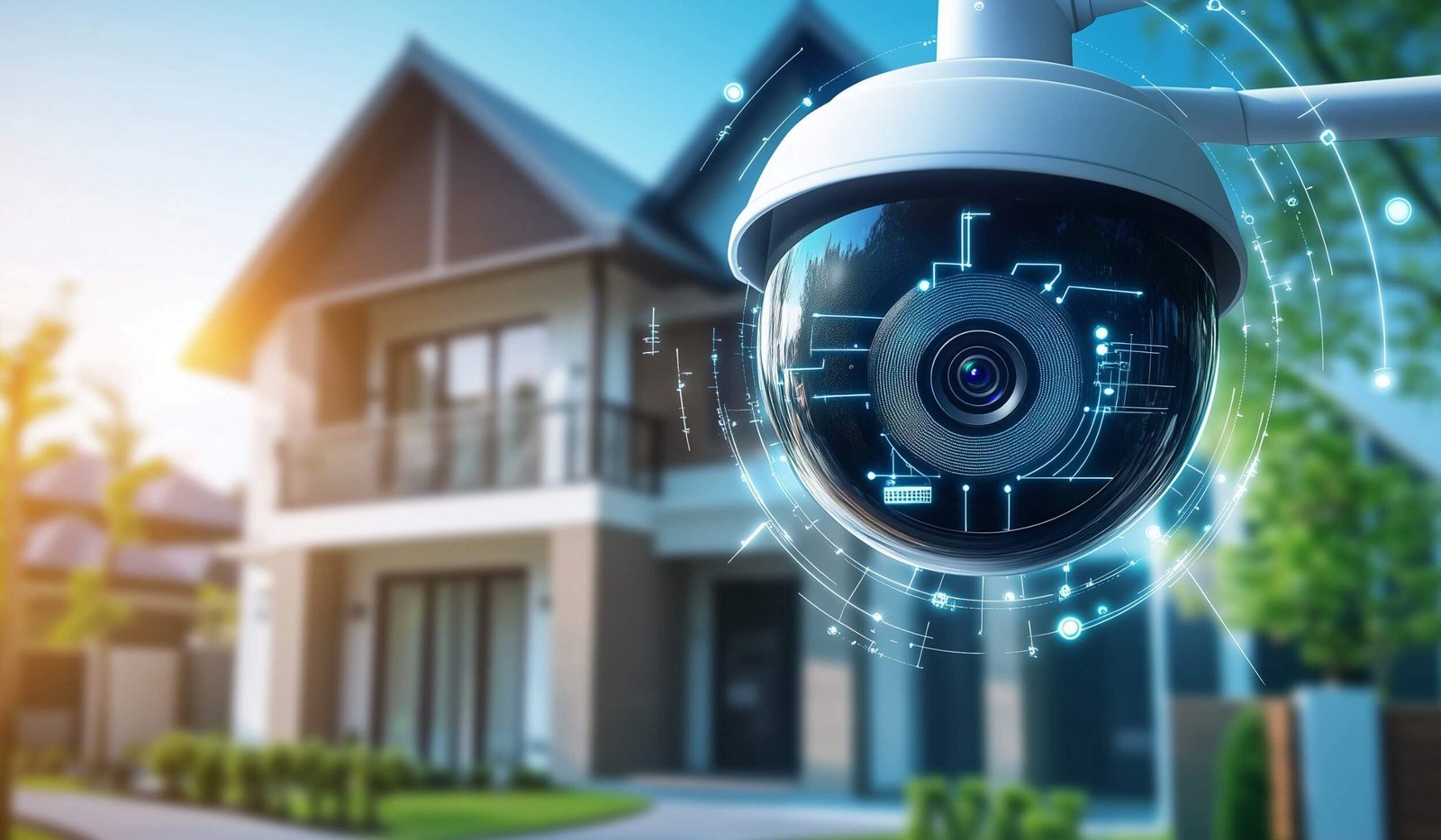
You don’t need an elaborate CCTV network to add real value here. A single WiFi camera (₹1,500-4,000) pointed at your main entrance, connected to an app that sends motion alerts, covers most of what matters for a typical apartment.
- Position the camera to cover the door and any obvious entry points, not just a wide room view
- Check the app notification settings before leaving — false alerts from moving curtains or pets get annoying fast otherwise
- Make sure the camera’s own power backup or battery life covers your entire trip length
I was skeptical about camera footage actually being useful until a neighbour’s camera caught a delivery mix-up that could’ve turned into a bigger dispute. Sometimes it’s not even about security, just having a record.
7. Double-Check Locks, Gas, and Electrical Before Locking Up
The most basic step, and somehow still the most commonly rushed one. Do a proper final walkthrough, not a quick glance on your way out the door with luggage in hand.
- Main door lock, deadbolt if you have one, and any secondary locks
- Gas cylinder valve switched off completely, not just the stove knob
- Non-essential electrical appliances unplugged — geyser, iron, any device that doesn’t need to stay on
- Water main valve, if your building allows individual control, switched off to prevent leak damage while nobody’s home to notice
[link to related guide on monsoon home maintenance tips here] if you’re traveling during rainy season specifically — a few extra checks matter then.
Home Security Tips Vacation Checklist: Quick Reference
| Task | Timing |
| Pause deliveries and subscriptions | 2-3 days before leaving |
| Set smart plug schedules | Day before departure |
| Inform watchman/RWA and trusted neighbour | 2-3 days before |
| Check window and balcony locks | Final walkthrough |
| Set camera and app alerts | Day before departure |
| Gas, electrical, and water main check | Final walkthrough, before locking up |
FAQ: Common Questions About Home Security Tips for Vacation
Is it safe to tell my building’s security guard I’m going on vacation? Generally yes, since guards need this information to properly monitor your unit and flag anything unusual. Just avoid sharing exact dates in a public building group where it reaches a much wider audience.
Should I leave all the lights on while I’m away? No, this actually looks more suspicious than helpful, since nobody keeps every light on for days straight. Randomized smart plug schedules on a couple of lights work far better than a constant “all lights on” approach.
Do I really need a camera, or is it overkill for a short trip? For trips under 3-4 days, a camera is nice-to-have rather than essential if you’ve got the other basics covered. For longer trips, it adds real value, mainly for peace of mind and a record if anything does happen.
What should I do about my car if it’s parked outside during my trip? Park it in a well-lit, visible spot if possible, and consider a simple steering lock as a visible deterrent. If your society has covered or monitored parking, that’s obviously the safer option over street parking.
How do I stop packages from piling up if I don’t have a trusted neighbour nearby? Most courier services let you reschedule delivery to a later date directly through their app or website. Alternatively, reroute deliveries to a relative’s address for the duration of your trip.
Is it worth getting home insurance specifically before a long vacation? If you don’t already have home insurance, it’s worth having regardless of travel plans, but definitely check your policy covers burglary and water damage before an extended trip away, particularly if you’re leaving during monsoon season.
Final Thoughts
Securing your home before a vacation isn’t about paranoia, it’s about a handful of specific, low-effort habits that genuinely reduce risk. Pausing deliveries, setting up randomized lighting, informing the right people quietly, and doing a proper final walkthrough covers almost everything that actually matters.
Before your next trip, run through the checklist above the night before you leave, not while you’re already halfway to the airport with a taxi waiting. A calm ten-minute check beats a panicked call to your neighbour from the departure lounge, every single time.