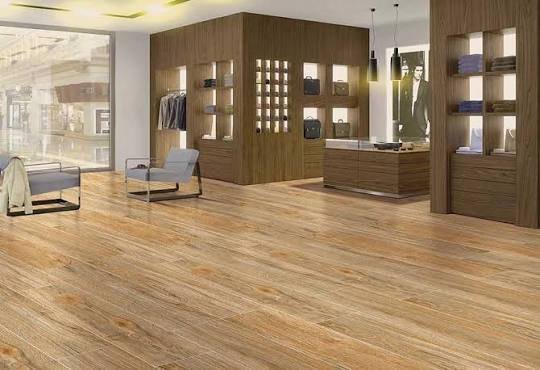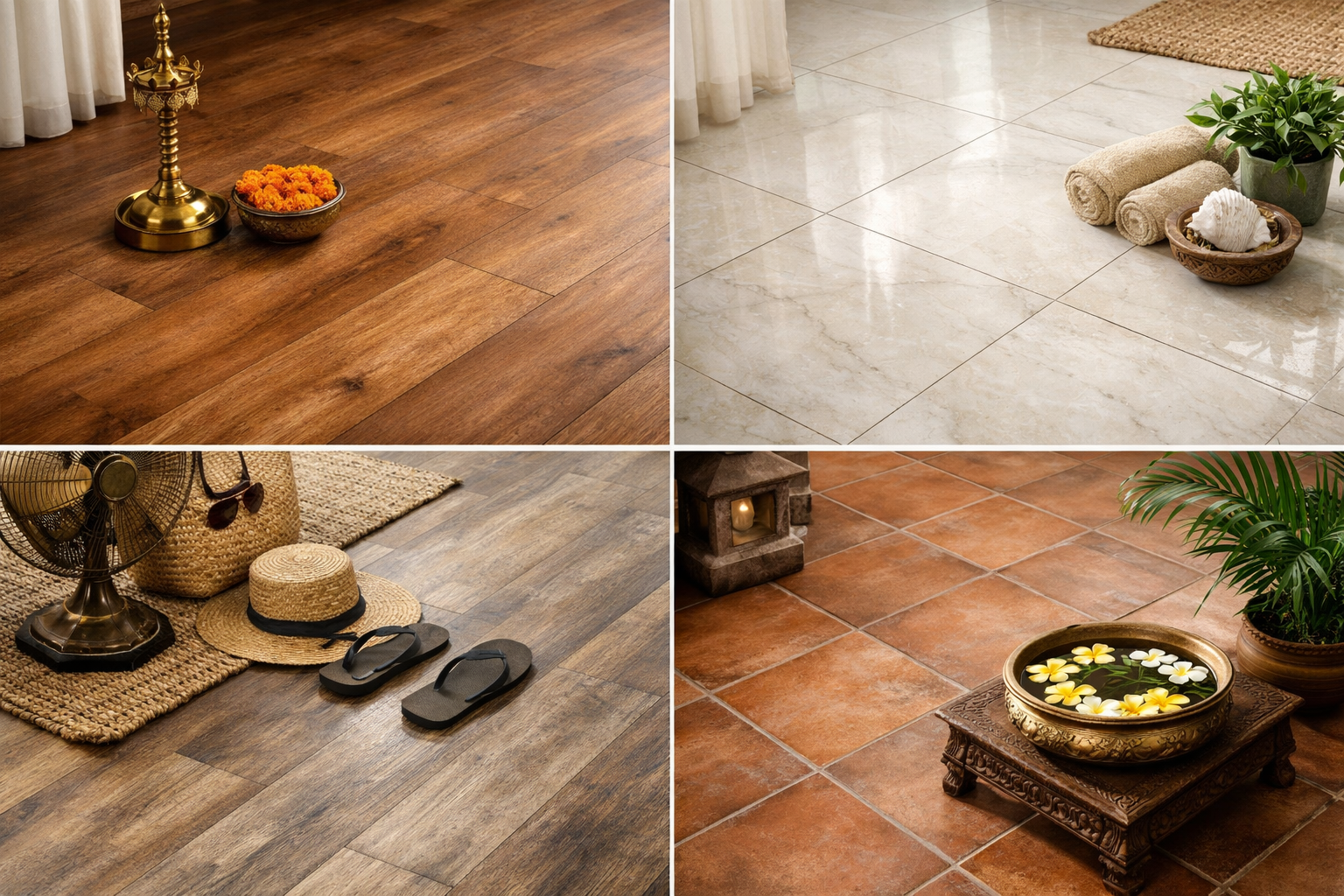
If you live somewhere like Kochi, Mumbai, or Kolkata, you already know the drill — that sticky, heavy air that makes everything feel damp, including your floors. Choosing the best flooring for humid climate conditions isn’t just a design decision, it’s a practical one. Get it wrong and you’re looking at swollen skirting boards, musty smells, or tiles that feel perpetually cold and clammy. I’ve seen homeowners spend lakhs on gorgeous wooden flooring only to watch it cup and warp within two monsoons. Let’s avoid that. This guide walks through what actually works in high-humidity conditions, and what to steer clear of, based on real installations, not just showroom talk.
Why Humidity Wrecks Certain Flooring Types
Moisture doesn’t just sit on the surface — it gets absorbed, and that’s the real problem.
Quick answer: High humidity causes porous flooring materials to absorb moisture from the air, leading to swelling, warping, mould growth, and eventually structural damage. Non-porous materials like vitrified tiles or vinyl resist this because they don’t let water in at all.
Wood is the classic victim here. Solid timber is essentially organic material, and organic material absorbs water vapour from the surrounding air — even without a single spill. In coastal cities where relative humidity regularly sits above 70%, wood keeps expanding and contracting with the seasons. Over a few years, that stress shows up as cupping, gaps between planks, or a slightly springy, unstable feel underfoot.
Carpets are arguably worse. They trap moisture in the fibres and padding underneath, creating the perfect environment for mould and dust mites. If you’ve ever pulled up an old carpet in a ground-floor flat near the coast and caught that musty smell, you know exactly what I mean.
Even some adhesives and underlayment materials react badly to sustained dampness, which is why professional installation matters more in humid regions than people realise. A flooring contractor in Chennai once told me he adds an extra moisture barrier layer as standard practice now — not because clients ask for it, but because he’s tired of callbacks.
Vitrified Tiles: Still the Safest Bet
For sheer reliability in humid conditions, it’s hard to beat vitrified tiles.
They’re fired at high temperatures until they become non-porous, which means water simply can’t get in. No absorption, no warping, no mould growing underneath. In cities like Kochi or Vizag where the air feels thick most of the year, this matters enormously.
A few practical notes:
- Go for matte or anti-skid finish in bathrooms and balconies — glazed tiles get genuinely dangerous when wet
- Double charge or full-body vitrified tiles resist scratching better over time than cheaper soluble salt variants
- Grout lines are the weak point — use epoxy grout instead of standard cement-based grout, since it resists mould far better
[link to related guide comparing vitrified tiles vs wooden flooring here]
Vinyl and SPC Flooring: The Underrated Option
Not everyone wants tiles everywhere, and that’s fair. Vinyl and SPC (Stone Plastic Composite) flooring have quietly become popular alternatives for humid regions, and honestly, I think they’re underrated.
Quick answer: SPC and luxury vinyl flooring are 100% waterproof, dimensionally stable, and mimic wood or stone convincingly, making them one of the best flooring options for humid climates where real wood isn’t practical.
SPC flooring is made from a limestone-based composite core, which means it simply doesn’t absorb water the way wood does. It clicks together, floats over the existing subfloor, and can even go in bathrooms — something you’d never attempt with solid wood.
Cost-wise, expect somewhere between ₹120-300 per square foot for decent quality SPC, which sits comfortably between budget laminate and mid-range engineered wood. Not the cheapest, but the durability trade-off is worth it in coastal or monsoon-heavy regions.
One thing I’ll admit — the “feel” isn’t quite identical to real wood. It’s close, close enough that most guests won’t notice, but if you’ve lived with actual timber floors before, you’ll clock the difference underfoot within a week.
What About Engineered Wood?
People often ask if engineered wood is a safe middle ground, and the answer is: sometimes, with conditions attached.
Engineered wood has a plywood or HDF core topped with a thin layer of real wood veneer. The cross-layered construction makes it far more dimensionally stable than solid timber, so it handles humidity swings better.
That said, it’s not waterproof. It’s humidity-resistant, not humidity-proof — a distinction a lot of vendors conveniently blur when they’re trying to close a sale.
If you’re set on the wood look in a humid city, here’s what actually helps:
- Choose engineered wood with a thicker top veneer layer (2mm or above ideally) so it can handle a couple of re-sandings over its life
- Keep indoor humidity between 40-60% using a dehumidifier, especially during peak monsoon months
- Avoid installing it in bathrooms, kitchens, or balconies — no exceptions here
- Ask your installer about acclimatisation — the wood needs to sit in the room for a few days before installation to adjust to local moisture levels
Picture a family in Kochi who insisted on engineered oak flooring for their living room in 2026. Three years in, it’s held up fine — but only because they run a dehumidifier religiously during the monsoon and never let standing water sit near the balcony door. That’s the commitment level we’re talking about.
Natural Stone Flooring in Humid Regions
Stone gets overlooked in this conversation, which is a bit of a shame because certain types genuinely excel in humid climates.
Granite, for instance, is dense, non-porous once properly sealed, and handles moisture without much fuss. It’s a favourite in South Indian homes for exactly this reason — walk into any older Kerala house and there’s a decent chance the flooring is granite or a similar stone.
Marble is trickier. It’s more porous than granite and can stain or develop a dull, hazy look if moisture sits on it repeatedly. If you love the marble aesthetic but live somewhere humid, ask about sealing frequency upfront — it’s not a one-time job, it needs reapplication every year or two.
Kota stone, a local favourite in Rajasthan and increasingly used elsewhere, is naturally water-resistant and stays cool underfoot, which is a nice bonus in humid heat too.
Carpets and Rugs: Proceed With Caution
I won’t tell you to never use carpet in a humid home — that feels a bit extreme — but you do need to be smart about it.
Full wall-to-wall carpeting in a consistently humid region is asking for trouble. Trapped moisture, mould, dust mite buildup — none of it’s pleasant, and allergies tend to flare up faster in these conditions.
If you want the soft, warm feel carpet gives a room, area rugs on top of tile or vinyl work much better. You get the comfort without the moisture trap, and you can pull the rug out to air-dry or clean it whenever needed.
Has your carpet ever developed that faint musty smell after a particularly wet monsoon? That’s usually moisture trapped in the underlay, and once it sets in, it’s genuinely hard to fully get rid of.
Bathroom and Balcony Flooring: The High-Risk Zones
These spaces deserve their own mention because they face the worst of it — direct water exposure on top of ambient humidity.
Quick answer: For bathrooms and balconies in humid climates, anti-skid vitrified tiles or textured natural stone are the most reliable choices, since they combine full waterproofing with slip resistance in constantly wet conditions.
A few specifics worth knowing:
- Anti-skid ceramic or vitrified tiles remain the standard recommendation for Indian bathrooms, and for good reason
- Avoid polished marble in these zones entirely — it becomes dangerously slippery when wet
- For balconies exposed to direct rain, check the tile’s water absorption rating; anything below 0.5% is considered ideal for outdoor use
- Proper slope and drainage matter as much as the material itself — even the best flooring will trap water and degrade faster without it
Ventilation and Subfloor Prep Matter More Than People Think
Here’s something that gets glossed over constantly — the flooring material is only half the equation.
A poorly ventilated room with bad subfloor moisture barriers will cause problems regardless of what you put on top. I’ve noticed contractors sometimes skip proper moisture barrier installation to save a bit of cost, and it always comes back to bite the homeowner within a couple of years.
Basic things that actually help: exhaust fans in bathrooms, cross-ventilation in bedrooms where possible, and a proper damp-proof course during construction if you’re building from scratch. None of this is glamorous advice, but it matters just as much as picking the right tile brand. [link to related guide on home ventilation tips for humid regions here]
FAQs About Flooring for Humid Climates
What is the best flooring for humid climate homes near the coast? Vitrified tiles or SPC/vinyl flooring, hands down. Both are non-porous and won’t absorb moisture, which is the main problem coastal humidity creates for other materials.
Is wooden flooring a bad idea in humid areas? Not necessarily bad, but risky without precautions. Engineered wood with good humidity control (like a dehumidifier and proper acclimatisation) can work, but solid wood struggles the most.
Does vinyl flooring smell or develop mould in humidity? Good quality SPC or vinyl flooring is fully waterproof and won’t trap moisture underneath, so mould growth is rare, as long as the subfloor itself was properly prepped before installation.
Can I use marble flooring in a humid climate? Yes, but it needs regular sealing since marble is more porous than granite. Skip it for bathrooms or balconies where it gets slippery when wet.
How often should I dehumidify a room with wooden flooring? During peak monsoon months, running a dehumidifier daily to keep humidity between 40-60% is a reasonable habit, tapering off once the weather dries out.
Is carpet ever okay in humid regions? Small area rugs are fine and easy to manage. Full wall-to-wall carpeting is genuinely risky for mould and allergens in consistently humid homes.
Final Thoughts
Choosing the best flooring for humid climate conditions really comes down to one question — how much moisture management are you willing to sign up for? Vitrified tiles and SPC flooring ask almost nothing of you and handle humidity without complaint. Wood, especially solid wood, asks for real commitment: dehumidifiers, careful maintenance, and accepting some risk.
My honest take, having seen both sides play out in real homes? Unless you’re deeply attached to the wood look, non-porous options save you a lot of future headache in humid regions. If you do go with wood, budget for a dehumidifier from day one, not as an afterthought once the planks start cupping. Walk through a few installed homes in your own city before deciding — nothing beats seeing how a floor has actually aged through a couple of monsoons.